£2.99 for 10 tokens



Everyone has seen someone whose style just works, every outfit, every hair choice, every detail feels coherent and intentional. That quality has a name: a defined aesthetic. And it's not something you either have or don't have. It's something you find, develop, and refine over time, and this guide will show you exactly how to do that.
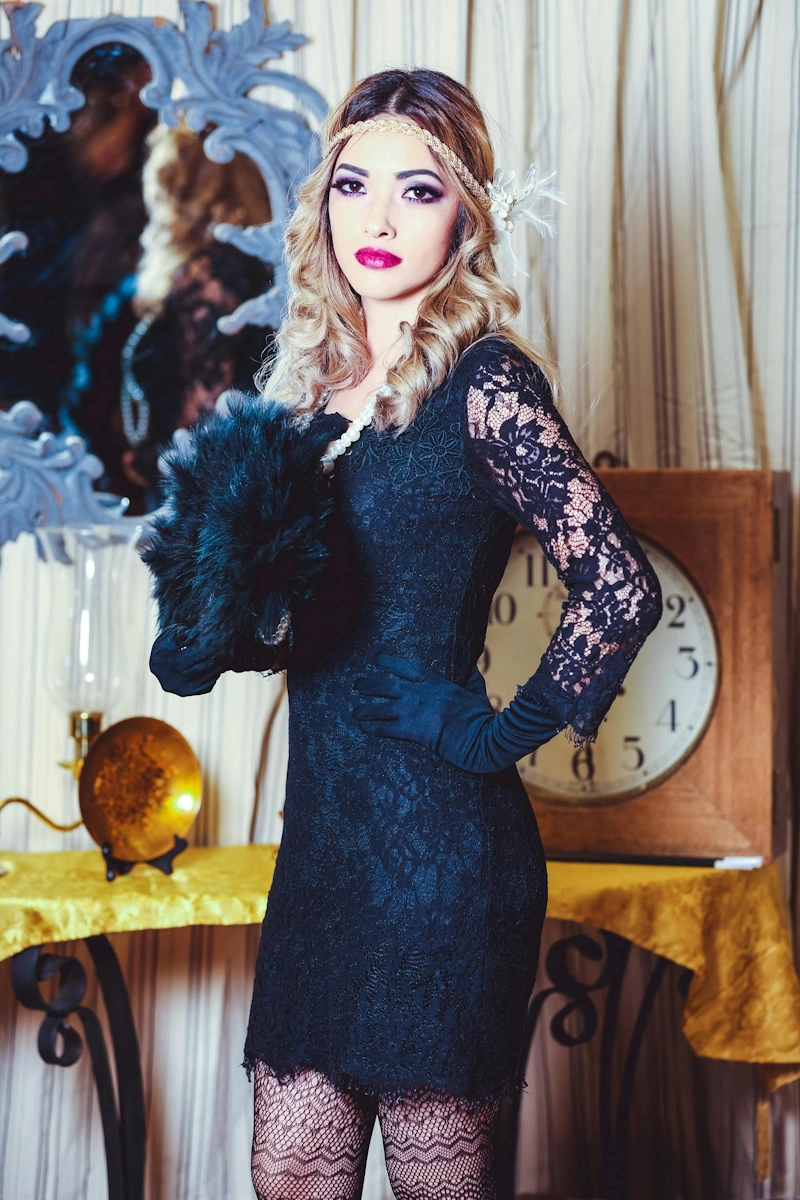
How to Find Your Aesthetic
A Complete Guide to Discovering Your Personal Style
The word "aesthetic" gets thrown around a lot online, often as a label to stick on a mood board or a TikTok niche. But in the context of personal style, an aesthetic is something more useful and more practical than that. It's a visual language. A coherent set of colours, silhouettes, moods, and references that runs through everything you wear and how you present yourself. Having one doesn't mean dressing in a uniform. It means your choices share a logic that makes the whole feel intentional rather than random.
This guide walks you through the process of finding yours, from identifying what you're genuinely drawn to, to understanding which aesthetics suit your colouring and features, to experimenting without the commitment and expense of getting it wrong.
Finding your aesthetic isn't about picking a label. It's about understanding the visual language that feels most like you, and then speaking it fluently.
What Does It Actually Mean to Have an Aesthetic?
It means your choices share a coherent visual logic. When someone with a strong aesthetic gets dressed, each element reinforces the others, the colours work together, the silhouettes are consistent, the overall impression is intentional. When someone without a defined aesthetic gets dressed, the result often looks like a collection of individual items that don't quite add up to anything.
This matters because clothing, hair, and makeup are all forms of visual communication. Before you say a word, people form an impression of you based on how you present yourself. That impression is either coherent and intentional or it isn't. Having a defined aesthetic gives you control over that impression. It means the way you look is saying what you want it to say.
It also makes getting dressed dramatically easier. When your wardrobe shares a visual logic, everything works with everything else. You spend less time staring at a full wardrobe feeling like you have nothing to wear, because every piece belongs.
Step 1: Identify What You're Actually Drawn To
Most people already have an aesthetic, they just haven't identified it yet. The first step is observation rather than decision. You're looking for patterns in what you consistently find visually compelling, not choosing an identity to adopt.
Collect images without filtering yourself
Spend 20–30 minutes saving images of outfits, people, rooms, landscapes, colours, and moods that genuinely appeal to you, without analysing why or whether they're practical. Use Pinterest, Instagram saves, or a simple camera roll folder. The only criterion is that something about the image compels you. Don't edit yourself toward what you think you should like.
Look for patterns in what you've collected
Once you have 30–50 images, look at them together and ask: what do they share? Are the colours consistently dark and rich, or light and neutral? Are the silhouettes structured or fluid? Is the mood dramatic or effortless? Warm or cool? The patterns that emerge are the building blocks of your aesthetic, and they will almost always surprise you with how consistent they are.
Look at what you actually wear most
Open your wardrobe and identify the pieces you reach for repeatedly, not the ones you bought with good intentions, but the ones you actually wear. What do they have in common? What colours, what silhouettes, what level of formality? These pieces are telling you something true about your aesthetic that your aspirational Pinterest board may not be.
Notice what makes you feel most like yourself
Think about the last time you got dressed and felt genuinely good, not just presentable, but right. What were you wearing? What was the occasion? What elements of that outfit contributed to the feeling? This is important data. The aesthetic you're looking for is the one that produces that feeling consistently, not the one that looks best in a photograph or fits a trend.
Step 2: Understand the Main Aesthetics
Once you have a sense of your visual instincts, it helps to understand the named aesthetics that might align with them. Here are the most prominent ones in mainstream style right now, with a brief description of each:
Clean girl
Built on effortless polish, glowing skin, minimal makeup, slicked-back hair, gold jewellery, and neutral well-fitted basics. Warm, healthy, and composed. References a health-conscious, organised lifestyle. The palette is warm neutrals: cream, camel, tan, and soft beige. Full clean girl guide →
Old money
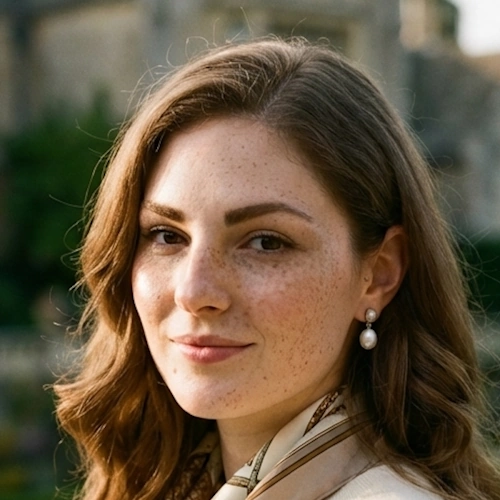
Rooted in the visual codes of generational wealth, classic silhouettes, heritage fabrics, understated quality, and a deliberate absence of visible branding. Structured, composed, and timeless. The palette is classic neutrals: navy, cream, camel, and forest green. Full old money guide →
Soft girl
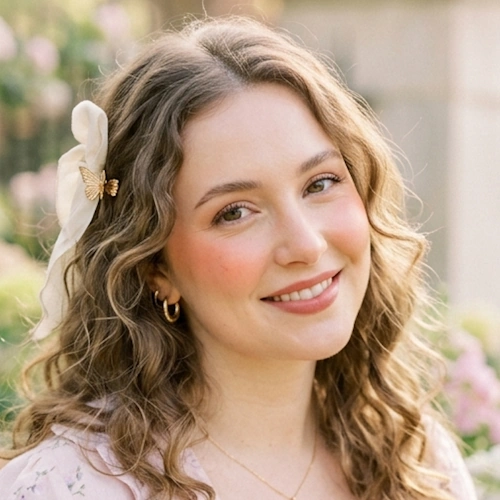
Warm, feminine, and dreamy, pastels, generous blush, hair accessories, oversized knitwear, and an overall sensibility that is gentle and romantic. Unapologetically feminine. The palette is pastels: blush pink, lavender, baby blue, and peach. Full soft girl guide →
Dark feminine
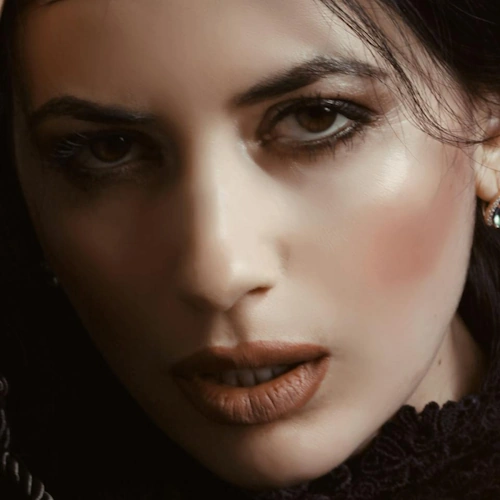
Intense, magnetic, and self-possessed, rich dark colours, dramatic makeup, fluid luxurious fabrics, and a presence that is deliberate and powerful. Draws on gothic romanticism and old Hollywood glamour. The palette is deep jewel tones: black, burgundy, plum, and forest green. Full dark feminine guide →
Dark academia
Intellectual, bookish, and autumnal, tweed, plaid, turtlenecks, leather satchels, and the visual language of old European universities. Warm and slightly melancholic. The palette is browns, tans, dark greens, and burgundy.
Cottagecore
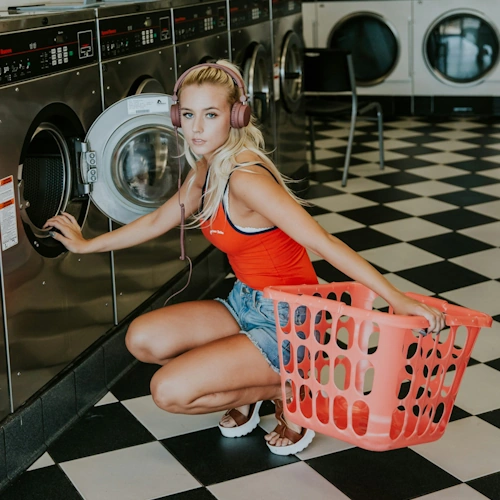
Romantic and pastoral, floral prints, linen, loose silhouettes, natural textures, and the idealised aesthetic of rural life. Warm, gentle, and nature-influenced. The palette is soft florals against cream, sage, and dusty rose.
Coastal grandmother
Relaxed, effortless, and quietly luxurious, linen trousers, striped tops, cashmere, wicker bags, and the visual language of a comfortable life near the sea. The palette is navy, white, cream, and sandy neutrals.
Y2K
Nostalgic and playful, low-rise jeans, crop tops, velour, chunky trainers, and the maximalist, technology-influenced style of the early 2000s. Bold, fun, and deliberately reference-heavy. The palette is metallics, bright colours, and early-2000s branding.
Explore with NeonSnap
Try different aesthetics on your own photo before committing
NeonSnap's free AI tools let you visualise different aesthetic directions on your own photo, different hairstyles, outfit styles, makeup looks, and full transformations, before spending any money or making any changes. It's the most practical way to explore what actually suits you.
Try AI Hair Change free →Step 3: Match Your Aesthetic to Your Colouring and Features
This is the step most aesthetic guides skip, and it's the reason so many people find that a look they love on someone else doesn't quite land the same way on them. An aesthetic that works in harmony with your natural colouring, face shape, and features will always look more authentic than one that works against them.
- Your undertone matters. Warm undertones, golden, peachy, or olive skin, suit warm palettes like old money's camel and cream, soft girl's peach and blush, and clean girl's tan and terracotta. Cool undertones, pink, red, or bluish skin, suit cooler accents like dark feminine's deep plum and forest green, or soft girl's lavender and baby blue. If you've ever noticed that some colours make your skin look vibrant and others make it look washed out, this is why.
- Your natural colouring influences which aesthetics feel most cohesive. Someone with naturally dark hair and strong colouring will find the dark feminine aesthetic lands more naturally than someone with very light colouring, for whom soft girl or clean girl may feel more harmonious. This isn't a rule, it's a starting point.
- Your face shape influences which hairstyles within an aesthetic suit you. Most aesthetics include multiple hair options. Knowing your face shape helps you choose the version that flatters you specifically rather than the version that looked good on the person whose photo you saved.
lightbulb
The quickest way to test whether an aesthetic suits your colouring is to try its colour palette against your face before buying anything. NeonSnap's AI Hair Change tool lets you try the characteristic hair colours of different aesthetics, dark glossy hair for dark feminine, warm honey tones for clean girl, blush and lavender for soft girl, on your own photo to see what genuinely suits your colouring.
Step 4: Experiment Before You Commit
One of the most common and most expensive mistakes in finding your aesthetic is committing too quickly, buying a wardrobe full of pieces in a new direction before you've genuinely tested whether it feels right on you in real life. An aesthetic that looks compelling on a Pinterest board and an aesthetic that feels like you when you're wearing it are not always the same thing.
The solution is to experiment before you spend. There are several ways to do this:
- Use AI visualisation tools. NeonSnap's suite of free AI tools lets you try different aesthetic directions on your own photo before committing to anything. The Hair Change tool lets you try the characteristic hairstyles of different aesthetics. The Outfit Change tool lets you visualise different clothing styles. The Makeup Change tool lets you try different makeup looks. The Alter Ego tool gives you full transformations into iconic aesthetic personas. None of this costs anything and none of it requires a single purchase.
- Try before you buy with resale platforms. Vinted, Depop, and eBay let you buy single pieces in a new aesthetic direction for minimal cost. If it works, keep it and build from there. If it doesn't, resell it for roughly what you paid.
- Borrow or style from what you already own. Most aesthetics share some overlap with a standard wardrobe. Before buying anything new, see how far you can get with what you already have. A white shirt, a neutral jumper, and some gold jewellery gets you a long way toward clean girl without spending anything.
- Give it time. Try wearing elements of a new aesthetic for two or three weeks before deciding whether it's right for you. First impressions of your own style are unreliable. It often takes time for a new direction to feel like yours rather than borrowed.
Try it with NeonSnap
Visualise any aesthetic on your own photo, free
NeonSnap's free AI Outfit Change tool lets you see yourself in different aesthetic styles before buying a single piece. Explore old money, soft girl, dark feminine, clean girl, and more, on your own face and figure, not someone else's.
Try AI Outfit Change free →Step 5: Build Your Aesthetic Wardrobe Gradually
Once you've identified an aesthetic direction that genuinely resonates, one that suits your colouring, feels right when you wear it, and aligns with the visual patterns you're drawn to, the next step is building a wardrobe around it. The key principle is gradual and intentional rather than fast and comprehensive.
Identify the three hero pieces of your aesthetic
Every aesthetic has three or four pieces that most clearly signal it. For clean girl it's the camel coat, the gold hoops, and the slicked-back bun. For old money it's the cashmere jumper, the tailored blazer, and the loafers. For soft girl it's the oversized blush cardigan, the Mary Janes, and the hair bow. Identify these for your chosen aesthetic and invest in quality versions of them first. Everything else can come gradually.
Audit your existing wardrobe
Before buying anything new, identify which pieces you already own that work within your aesthetic. You'll almost always find more than you expect. Pieces that definitely don't work can be sold or donated. The proceeds fund new pieces that do. A smaller wardrobe that coheres is more useful than a large wardrobe that doesn't.
Shop second hand first
The pieces that define most aesthetics are also the pieces most likely to be found in excellent condition second hand, because they were well-made and don't date. A cashmere jumper from a charity shop is a better investment than a cheap cashmere-look jumper bought new. Vinted, Depop, and local charity shops are all worth checking before buying anything new.
Apply the one-in-one-out rule
For every new piece you add to your wardrobe, remove one piece that doesn't fit the aesthetic. This keeps the wardrobe coherent and prevents it from expanding back into a mixed collection of pieces that don't work together. It also forces you to make deliberate choices rather than accumulating.
Can You Have More Than One Aesthetic?
Yes, and most people do. The goal of finding your aesthetic is not to pick a label and wear it as a uniform. It's to understand which visual languages resonate with you and incorporate elements of them into a style that feels genuinely yours.
Many of the most interesting and distinctive personal styles sit at the intersection of two aesthetics. Clean girl and old money share significant overlap, both are minimal, quality-led, and neutral-toned, and combining them produces something that has the warmth and approachability of clean girl with the structure and authority of old money. Soft girl and cottagecore share a romantic, nature-adjacent sensibility that blends naturally. Dark feminine and dark academia share a palette and a mood that works well together.
What doesn't work is combining aesthetics that have nothing in common. The visual logic breaks down and the result looks random rather than considered. If you're drawn to two very different aesthetics, the answer is usually to allocate them to different contexts rather than trying to wear both simultaneously.
Your Aesthetic Will Evolve — That's Normal
The aesthetic you identify today is not the one you'll have in five years. Personal style evolves with life circumstances, age, changing tastes, and exposure to new influences. The clean girl aesthetic that feels right at 22 may give way to something more structured and authoritative at 32. The soft girl sensibility of your early twenties may evolve toward something more refined as your aesthetic vocabulary develops.
This is not inconsistency, it's growth. The goal of finding your aesthetic is not to arrive at a final answer but to develop a practice of intentional self-expression that evolves with you. The tools are always the same: observe what you're drawn to, understand why, experiment before committing, and build gradually toward something that feels genuinely like you at this point in your life.
Frequently Asked Questions
What is an aesthetic?
In the context of personal style, an aesthetic is a coherent visual identity, a consistent set of colours, silhouettes, moods, and references that runs through your clothing, hair, makeup, and overall presentation. Having a defined aesthetic doesn't mean wearing a uniform. It means your choices share a visual logic that makes the whole feel intentional rather than random.
How do I find my aesthetic?
Start by collecting images of looks you genuinely love without filtering yourself, then look for patterns in what they share. Understand which named aesthetics align with those patterns, consider which suit your natural colouring and features, and experiment using AI tools like NeonSnap before making any purchases. Finding your aesthetic is a process of observation and gradual refinement rather than a single decision.
Can I have more than one aesthetic?
Yes, most people's personal style draws on multiple aesthetics rather than committing entirely to one. Many of the most distinctive personal styles sit at the intersection of two aesthetics that share some visual logic, clean girl and old money, or soft girl and cottagecore, for example. What matters is that the combination feels coherent rather than random.
What are the main aesthetics right now?
The most prominent aesthetics in mainstream style right now include clean girl, old money, soft girl, dark feminine, dark academia, cottagecore, Y2K, coastal grandmother, and streetwear. NeonSnap has detailed guides to clean girl, old money, soft girl, and dark feminine, each covering the colour palette, makeup, hair, and wardrobe essentials in full.
How do I build an aesthetic wardrobe on a budget?
Identify the three or four hero pieces that most clearly signal your chosen aesthetic and invest in quality versions of those first. Build everything else gradually through charity shops, resale platforms, and high street basics. Knowing your aesthetic clearly before you shop prevents impulse purchases that don't fit the overall vision, which is ultimately the biggest clothing budget saving available.
Can I try different aesthetics before committing?
Yes, NeonSnap's free AI tools let you visualise different aesthetics on your own photo before spending any money. Try different hairstyles with the Hair Change tool, different outfits with the Outfit Change tool, different makeup looks with the Makeup Change tool, and full transformations with the Alter Ego tool.
Try different aesthetics on your own photo, free.
NeonSnap's free AI tools let you visualise hair, makeup, outfit, and full aesthetic transformations before you commit to anything. Find your aesthetic without the guesswork.
Try AI Outfit Change free