£2.99 for 10 tokens



The old money aesthetic has been one of the most searched style topics for the past two years, and unlike most trends, it shows no sign of fading. That's partly because it isn't really a trend at all. It's a set of visual codes that have been associated with a particular kind of understated, generational wealth for decades. What's changed is that millions of people have decided they want to adopt those codes, trust fund or not.
The Old Money Aesthetic: What It Is and How to Get the Look
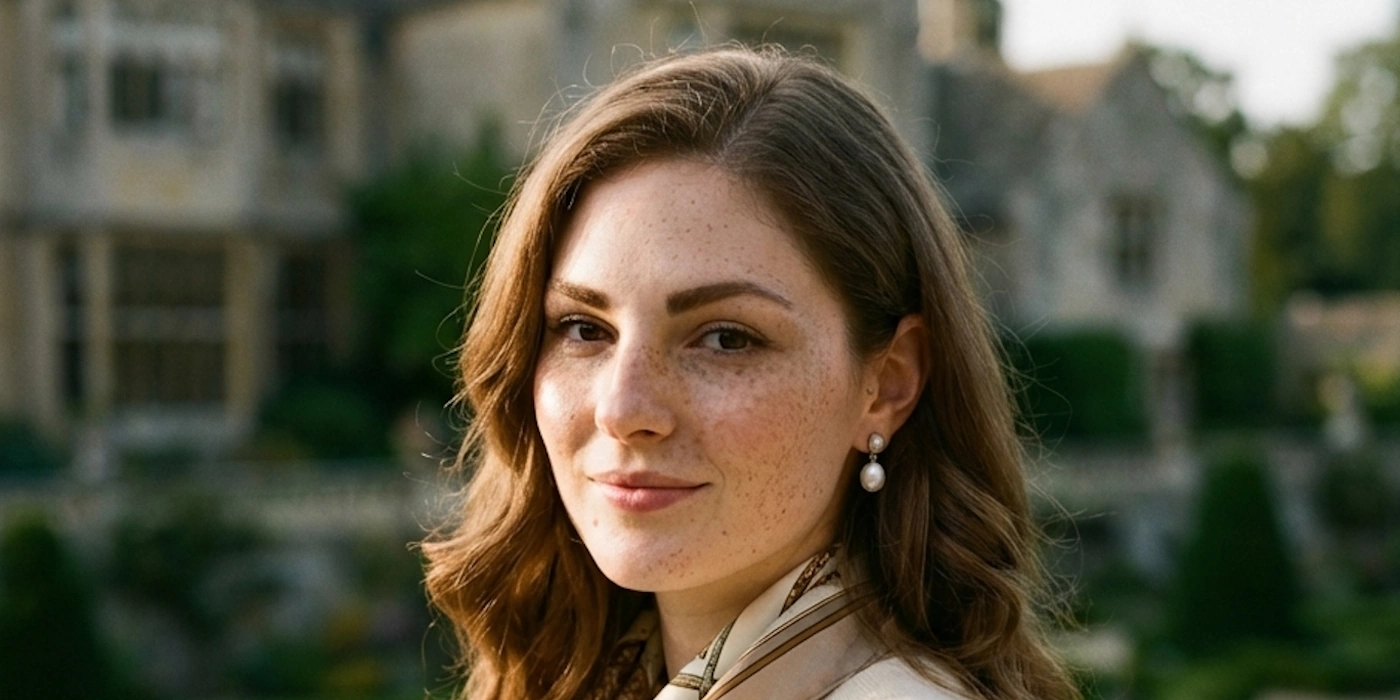
Understanding this aesthetic properly: where it comes from, what it actually consists of, and how to wear it without looking like you're wearing a costume, requires going a bit deeper than a Pinterest board. This guide covers everything you need to know.
Old money style is not about spending more. It's about spending differently, on fewer, better things that last rather than many conspicuous things that date.
What Is the Old Money Aesthetic?
This aesthetic is a style rooted in the visual codes of inherited, generational wealth: specifically the kind associated with the American East Coast establishment, the European aristocracy, and the Ivy League universities that educated their children. Think the Kennedys at Hyannis Port, Grace Kelly in Monaco, or the pastoral English countryside estate.
The defining characteristic is restraint. Old money style is deliberately understated: it does not announce itself, does not seek attention, and does not display its own price tag. This is the essential distinction from new money style, which tends toward conspicuous consumption: visible logos, statement pieces, and fashion that makes clear how much it cost. Old money aesthetic dresses as if it has nothing to prove, because, in the world it references, it doesn't.
This is also why the aesthetic has resonated so broadly in recent years. In a culture saturated with overt branding, fast fashion, and social media maximalism, it represents a deliberate counter-position: quality over quantity, permanence over trend, and an image that is composed rather than performed.
Old Money vs Quiet Luxury: What's the Difference?
These two terms are often used interchangeably, and they share significant overlap, but there is a distinction worth understanding.
Quiet luxury is the broader fashion trend: a preference for high-quality, understated clothing without visible branding that emerged prominently in mainstream fashion around 2022 and 2023, partly driven by the costume design of TV series like Succession. It describes an approach to dressing rather than a specific cultural reference point.
Old money aesthetic has a more specific cultural identity. It draws on particular reference points: the preppy heritage of East Coast American style, European aristocratic country dressing, and the sporting traditions of polo, sailing, tennis, and equestrian pursuits. It includes specific styling details: cable-knit jumpers, boat shoes, blazers with brass buttons, pearl jewellery, and the kind of slightly worn-in quality that signals a garment has been owned for years rather than purchased last week.
In practice: quiet luxury is the principle, this aesthetic is one specific expression of it.
The Old Money Colour Palette
Colour is one of the clearest signals of this style. The palette is built on neutrals, muted tones, and the colours associated with the natural environments the aesthetic references country estates, sailing clubs, university campuses, and coastal New England.
- Cream and ivory: the foundation of the palette, warmer and more considered than stark white
- Camel and tan: associated with classic outerwear, equestrian heritage, and autumn country dressing
- Navy: the most versatile old money colour, at home in both formal and casual contexts
- Forest and hunter green: strongly associated with British country dressing and the outdoors
- Burgundy and wine: autumnal, rich, and traditionally associated with academic and club environments
- Warm grey and charcoal: for tailoring and knitwear
- White: for shirts, blouses, and tennis-inspired pieces
What is firmly outside the palette: bold brights, neon, heavy prints, and anything that draws attention to itself. This aesthetic is not colourless, it simply uses colour with restraint.
The Old Money Wardrobe: Key Pieces
This look is built on a relatively small set of wardrobe staples that work together as a coherent system. Investment in quality versions of these pieces produces a wardrobe that is versatile, durable, and visually consistent.
The cashmere or merino jumper
The single most important piece in the old money wardrobe. A well-made cashmere or fine merino jumper in cream, navy, camel, or grey reads as instantly elevated regardless of what it's paired with. Crew neck and V-neck are the most versatile shapes. Avoid overt branding. The value is in the fabric and the fit, not the label on the outside.
The tailored blazer
A well-cut blazer in navy, camel, or houndstooth is foundational to old money style. It should fit properly through the shoulders and chest. This is non-negotiable. Brass or gold buttons are a traditional detail associated with the aesthetic. Wear it over a simple white shirt or a fine-knit jumper for the most authentic result.
The cable-knit
The chunky cable-knit jumper is one of the most recognisable old money pieces: associated with Nantucket, the Hamptons, and New England coastal life. Cream or ivory is the classic colour. It works over a collared shirt for a layered, preppy effect, or alone with tailored trousers for something more relaxed.
Tailored trousers and chinos
Wide-leg tailored trousers in cream, camel, or navy and well-fitted chinos in tan or olive are the trouser foundations of the aesthetic. Both should sit at the natural waist rather than the hip. Avoid anything overly distressed, heavily branded, or in bold colours.
The white or pale blue Oxford shirt
The Oxford button-down shirt is one of the most enduring old money staples: clean, versatile, and associated with the Ivy League university tradition that underpins the aesthetic. Wear it tucked into tailored trousers, half-tucked into a midi skirt, or layered under a fine-knit jumper. The collar should be crisp.
Heritage outerwear
A camel coat, a Barbour-style waxed jacket, a navy pea coat, or a classic trench are the outerwear expressions of old money style. These are investment pieces that last for years and anchor the aesthetic across seasons. Quality matters here more than anywhere. Outerwear is worn frequently and seen clearly.
Classic footwear
Loafers, particularly penny loafers and horsebit loafers, are the most iconic old money shoe. Boat shoes, classic white trainers in clean condition, riding boots, and simple ballet flats all work within the aesthetic. The common thread is clean, classic, and well-maintained. Scuffed or dirty shoes undermine the entire look.
Understated accessories
Accessories in this aesthetic are present but not the point. Pearl earrings, a simple gold chain, a classic leather belt, a structured leather bag, and a quality watch all add to the overall impression without competing with it. The rule is: if you notice the accessory before the person wearing it, it's too much.
Try it with NeonSnap
See yourself in old money style before you buy anything
NeonSnap's free AI Old Money Aesthetic tool lets you visualise old money style outfits on your own photo instantly. Try different looks, silhouettes, and colour combinations before spending a penny on building the wardrobe.
Try AI Old Money Aesthetic free →Old Money Hair and Grooming
This style extends beyond clothing into hair and grooming, and getting this right is what separates a coherent look from a collection of expensive-looking items that don't quite add up.
Old money hair is polished and deliberate without looking overdone. Classic shapes: a neat blowout, a sleek low ponytail, soft waves, or a clean side part, suit the aesthetic well. What doesn't work is anything that feels heavily styled, aggressively trendy, or high-maintenance in a way that draws attention to itself. The goal is hair that looks naturally beautiful and well cared for rather than conspicuously done.
- For women: the classic low bun, a sleek ponytail, a soft blowout, or a simple half-up style all read as old money. Balayage and natural-looking highlights in warm, honey tones suit the colour palette. Avoid overly bleached or dramatically coloured hair.
- For men: a clean, side-parted cut or a neatly styled natural texture suits the aesthetic. Think ivy league cut, classic preppy crop, or a well-maintained longer style. The hair should look like it was cut recently and maintained deliberately.
lightbulb
Not sure which hairstyle suits the old money aesthetic on you specifically? NeonSnap's AI Hair Change tool lets you try different styles and colours on your own photo before booking an appointment. Try a balayage, a sleek blowout, or a classic cut and see what works for your face shape first.
How to Wear the Old Money Aesthetic Without Looking Like a Costume
This is the question most guides don't address properly. This aesthetic, worn incorrectly, can look like fancy dress, too studied, too deliberate, too obviously assembled from a Pinterest mood board. Here's how to avoid that.
- Start with fit. Nothing undermines old money style faster than clothing that doesn't fit well. Before investing in new pieces, get the ones you already own tailored. A well-fitted charity shop blazer looks more old money than an expensive one that pulls across the shoulders.
- Mix price points deliberately. Old money style is not about wearing expensive things. It's about wearing quality things. A £20 plain white Oxford shirt worn with well-fitting tailored trousers reads as old money. A £200 branded streetwear piece does not. Build the aesthetic around fit and colour rather than label and price.
- Let things be slightly worn in. Brand new, pristine everything can look costumed. A slightly worn-in leather loafer, a cashmere jumper that's been washed a few times, a blazer with a little history to it. These details signal that the aesthetic is lived in rather than assembled.
- Avoid mixing in obvious trend pieces. This look is deliberately ahistorical: it references a sensibility rather than a specific moment. Mixing in overtly trend-driven pieces breaks the visual logic. Keep the whole outfit within the aesthetic or the effect is lost.
- Carry yourself accordingly. This style is as much about bearing as clothing. Upright posture, calm deliberateness, and an absence of visible effort: these are part of the look. Our looksmaxxing guide covers posture and presence in detail if this is something you want to work on.
Building the Look on a Budget
This aesthetic is unusually well-suited to budget building, because its defining characteristic: quality over quantity, classics over trends, aligns perfectly with second-hand and vintage shopping. The pieces that define the aesthetic are also the pieces most likely to be found in excellent condition in charity shops, vintage stores, and resale platforms, because they were built to last and they don't date.
- Charity shops and vintage stores are ideal sources for tailored blazers, Oxford shirts, cashmere knitwear, and heritage outerwear. These are the exact pieces that were well-made, lasted decades, and are now available for a fraction of their original cost.
- Resale platforms like Vinted, Depop, and eBay have significant stock of the heritage brands associated with the aesthetic: Barbour jackets, Ralph Lauren knitwear, classic trench coats, at significant discounts.
- High street alternatives to heritage brands are better than they've ever been. Marks and Spencer, Uniqlo, and COS all produce well-made basics in old money colours and silhouettes at accessible price points. The key is to choose the plainest, most classic version of each piece.
- Invest selectively. If there are pieces you're going to spend more on, make it outerwear and footwear: the items that are seen most and worn most frequently. Everything else can be sourced affordably without sacrificing the aesthetic.
Also on NeonSnap
Transform your look with AI Editorial Studio
Want to see yourself in a full old money editorial shoot aesthetic? NeonSnap's AI Editorial Studio transforms your photo into a professional fashion shoot: perfect for visualising the look at its most polished before you build the wardrobe.
Try Editorial Studio free →Old Money Aesthetic for Different Settings
One of the strengths of this aesthetic is how well it scales across different contexts without requiring a completely different wardrobe.
- Casual day: a cable-knit jumper, well-fitted straight-leg jeans in a dark wash, loafers, and a structured leather tote. Clean, simple, unmistakably old money.
- Smart casual: a tailored blazer over a fine-knit crew neck, tailored trousers in camel or cream, and leather loafers. Add a simple gold chain or pearl earrings for the appropriate detail.
- Formal: a well-cut suit in navy or charcoal worn with a white Oxford shirt, no tie, and classic Oxford shoes. The old money formal look is polished but never overdone.
- Outdoor and country: a waxed jacket or quilted gilet, a Fair Isle or cable-knit jumper, tailored corduroy trousers, and riding boots or clean leather lace-ups. This is the aesthetic at its most traditionally British.
- Summer: linen trousers in cream or sand, a simple white or pale blue shirt, leather sandals or boat shoes, and a straw hat. The old money summer look is relaxed but never casual in the streetwear sense.
Frequently Asked Questions
What is the old money aesthetic?
The old money aesthetic is a style rooted in the visual codes of generational wealth: understated, well-made clothing in neutral tones, classic silhouettes, natural fabrics, and a deliberate absence of visible branding. It prioritises quality over logos and timelessness over trends.
What is the difference between old money and new money style?
Old money style is characterised by restraint: muted colours, classic cuts, and no visible logos. New money style tends toward conspicuous consumption: bold branding, statement pieces, and fashion that signals its own price tag. The old money aesthetic deliberately avoids looking like it is trying to impress.
What colours are associated with the old money aesthetic?
The old money colour palette is built on neutrals and muted tones: cream, ivory, camel, navy, forest green, burgundy, tan, and warm grey. Bold colours, bright prints, and anything neon are firmly outside the aesthetic. The palette reads as considered and restrained rather than attention-seeking.
What brands are associated with old money style?
Old money style is associated with heritage brands that prioritise craftsmanship over marketing: Ralph Lauren, Brooks Brothers, Barbour, Loro Piana, and Brunello Cucinelli among others. Crucially, the aesthetic avoids overt branding even from these labels. A plain cashmere jumper reads as old money; the same jumper with a large logo does not.
Can I try the old money aesthetic before committing to it?
Yes. NeonSnap's free AI Old Money Aesthetic tool lets you visualise old money style outfits on your own photo before buying anything. Try different looks, silhouettes, and colour palettes to see what suits you before spending money on building the wardrobe.
Is the old money aesthetic the same as quiet luxury?
They are closely related but not identical. Quiet luxury is a broader fashion trend that shares old money's preference for understated, high-quality clothing without visible branding. Old money aesthetic has a more specific cultural reference point: the inherited wealth of the American East Coast and European aristocracy, along with particular styling codes around heritage brands, sporting influences, and preppy details.
See yourself in old money style, free.
Try different outfits, hairstyles, and looks on your own photo with NeonSnap's free AI tools. No commitment, no cost.
Try the Old Money Aesthetic free