£2.99 for 10 tokens



Want to see your glow up in seconds? NeonSnap's AI Glow Up tool can show you a transformed version of any photo instantly. But if you want the real thing, the kind that lasts and compounds over years, that takes something more. Here's a comprehensive guide to actually doing it.
How to Glow Up
The Complete Glow-up Guide That Actually Works
The term "glow up" gets thrown around a lot. On social media it tends to mean one thing: a dramatic before-and-after photo. But the transformations that actually hold up over time aren't the result of a new haircut or a good Instagram filter. They're the result of a sustained, deliberate effort across multiple areas of life: appearance, health, mindset, and environment, all reinforcing each other over months and years.
What makes a glow up real is not any single change. It's the compounding effect of dozens of small improvements that, individually, seem unremarkable, but together produce a person who looks, feels, and carries themselves completely differently. The people you look at and think "they've completely transformed" almost never did it overnight. They made a quiet decision to change and then showed up, repeatedly, until the results became impossible to ignore.
This guide is longer than most. That's intentional. Shallow listicles won't get you where you want to go. This one will actually give you something to work with.
Key takeaways
- A real glow up is compounding, not cosmetic, it comes from sustained habits across skin, fitness, style, nutrition, sleep, and mindset.
- Identity change beats willpower: become "someone who takes care of themselves" rather than chasing isolated goals.
- Skincare and sleep are the highest-return foundations, daily SPF and seven to nine hours of sleep outperform any expensive product.
- Hair and style are the fastest visible wins, both led by your face shape, proportions, and colouring.
- Build systems, not just goals: habit stacking, process goals, and monthly reviews produce results willpower can't.
- Timeline: style and grooming are immediate, skin shows in 4–12 weeks, and a full transformation takes 6–12 months.
- See it first: NeonSnap's free AI Glow Up tool previews your potential before you put in the work.
The Foundation: Identity Change, Not Just Habit Change
Before getting into routines and product recommendations, it's worth understanding why most attempts at self-improvement fail. People try to change their behaviours without changing how they think about themselves. They say "I'm trying to eat better" rather than "I'm someone who takes care of their body." That gap, between aspiration and identity, is where most glow up attempts quietly collapse.
A real transformation starts with a shift in self-concept. You have to genuinely decide, at a level below conscious thought, that you are the kind of person who does the things that produce the results you want. That isn't magical thinking. It's a practical observation about how sustained behaviour change actually works. Every time you act in line with your intended identity, you cast a small vote for that version of yourself. Over time, the evidence accumulates and the identity solidifies.
This matters because it changes how you approach each of the areas below. You're not dragging yourself to the gym as punishment. You're not forcing yourself to drink water because you read it on a list. You're doing these things because they're consistent with who you are becoming. That reframe is worth more than any single tactic in this article.
With that in place, here is what to actually focus on.
If you want to go deeper on the appearance-specific side of all this, our complete looksmaxxing guide breaks down skincare, hair, and style optimisation in more detail.
1. Your Skin: The Science Behind the Glow
Nothing transforms your appearance faster than healthy, clear skin, and there is a large body of dermatological research that tells us exactly what works and what doesn't. You do not need a complex ten-step routine. You need a small number of evidence-backed actions, done without exception, every day.
The most important concept in skincare is the skin barrier: the outermost layer of your skin that regulates moisture and keeps irritants out. When it's compromised, by over-cleansing, harsh products, or poor sleep, skin becomes dull, reactive, and prone to breakouts. Everything in a good skincare routine is either repairing or protecting that barrier.
- Cleanse with intention, not aggression. Use a gentle, pH-balanced cleanser suited to your skin type. Foaming cleansers suit oily skin; cream or oil cleansers suit dry or sensitive skin. The goal is to remove dirt and excess oil without stripping the barrier. Scrubbing hard or using hot water works against you.
- Apply SPF every single morning. This is not optional. UV radiation is the leading cause of premature ageing, hyperpigmentation, and uneven skin tone. A broad-spectrum SPF 30+ (ideally SPF 50) applied every morning, even when it's overcast, even when you're mostly indoors, will visibly transform your skin quality over months and protect that progress indefinitely.
- Introduce a retinoid at night. Retinol and its prescription-strength relatives (tretinoin, adapalene) are among the most extensively studied skincare ingredients in existence. They accelerate skin cell turnover, stimulate collagen production, reduce fine lines, and clear congestion. Start low, 0.025% retinol two nights per week, and build up slowly to avoid irritation. Results take 12 weeks to become visible, but they are significant and lasting.
- Moisturise after cleansing. Look for a moisturiser containing barrier-supporting ingredients: ceramides, niacinamide, hyaluronic acid, or squalane. Niacinamide in particular is remarkably effective. It reduces sebum production, minimises pores, fades dark spots, and strengthens the barrier simultaneously. It's one of the best value-for-money ingredients available.
- Don't underestimate hydration and diet. What you drink and eat is directly legible on your face. Chronic dehydration makes skin look dull, sunken, and less elastic. Diets high in refined sugar trigger glycation, a process where sugar molecules bind to collagen fibres and degrade them, accelerating the visible signs of ageing. Two litres of water a day, and reduced sugar intake, will produce visible improvements in skin texture within weeks.
- See a dermatologist for persistent concerns. Acne, melasma, rosacea, and chronic dryness all have clinical solutions that no over-the-counter product can replicate. A single appointment can save years of trial and error. Don't guess when professional guidance is readily available.
Sort your skin first. It's the foundation everything else sits on, and consistent effort here produces some of the most visually striking results of any change you can make.
2. Physical Fitness: Building a Body That Works For You
Exercise changes your appearance in ways that go far beyond the aesthetic. It alters your posture, your resting energy levels, the quality of your skin, the sharpness of your focus, and, critically, your confidence. Movement is the single most evidence-backed intervention for both physical and psychological wellbeing. You don't have to become obsessive about it. You do have to be consistent.
If you currently do very little, the most important step is simply establishing movement as a non-negotiable part of your week. Three or four sessions of 30–45 minutes, done consistently for three months, will produce changes that are visible and felt in daily life. The specific activity matters less than the habit of showing up.
That said, if you want to optimise your results, resistance training deserves particular attention. Building and preserving muscle mass changes body composition in ways that cardiovascular exercise alone cannot. Muscle is denser than fat and gives the body shape, structure, and definition. Strength training also improves insulin sensitivity, bone density, and metabolic rate, effects that compound favourably over years and decades. You don't need to train like an athlete; three full-body sessions a week using compound movements (squats, deadlifts, rows, presses) is enough to see meaningful change.
- Apply progressive overload. The body adapts to stress. To keep improving, you need to gradually increase the challenge: more weight, more reps, less rest, or greater range of motion over time. Without progression, you plateau. This principle applies to any form of exercise, not just lifting.
- Add deliberate cardiovascular work. Zone 2 cardio, a pace where you can hold a conversation but feel genuinely exerted, improves your aerobic base, your cardiovascular health, and your skin quality via increased circulation. Two sessions per week of 30–45 minutes (cycling, running, swimming, brisk walking) alongside resistance training is an extremely effective combination.
- Fix your posture with intent. Posture is not just aesthetics. It affects breathing, back pain, confidence, and how others perceive you before you say a word. Most people's posture suffers from years of sitting: rounded shoulders, forward head, weak glutes, tight hip flexors. Addressing this requires targeted work: face pulls and band pull-aparts for the rear deltoids and mid-traps; hip flexor stretches; core bracing work. The transformation in your silhouette from corrected posture alone is significant.
- Respect recovery. Muscle is built during rest, not during the workout itself. Sleep (covered in detail below), adequate protein intake, and scheduled rest days are not optional extras — they are a core part of the programme. More training is not always better training.
3. Your Hair: The Most Immediate Visual Change You Can Make
A haircut can change how you look more quickly and dramatically than almost anything else. It reframes your face, signals intentionality, and has an immediate psychological effect on how you carry yourself. Yet most people approach their hair passively, getting trims when they can no longer ignore it, using whatever products are on offer, and never seriously interrogating whether their current style is doing them any favours.
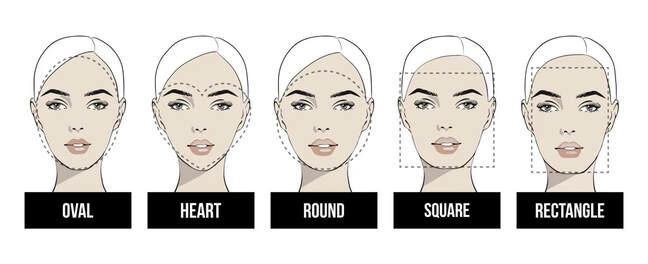
The most important factor in choosing a hairstyle is your face shape, because different proportions create different optical effects. Oval faces are the most versatile and suit almost any style. Square faces benefit from styles with softness around the jaw. Round faces benefit from length and volume at the crown. Oblong faces suit styles with width at the sides. Heart-shaped faces suit styles that add fullness around the jaw. If you're genuinely unsure of your face shape, NeonSnap's AI hair try-on tool allows you to experiment with dozens of styles before making any commitment.
- Invest in a genuinely good cut. There is a meaningful difference between a competent haircut and an excellent one. Go to someone with a real reputation, at least periodically. Bring reference photos. Communicate clearly. A skilled stylist doesn't just cut hair. They understand how to balance proportions, consider your texture, and give you something that works with your natural growth patterns rather than against them.
- Understand your hair's texture and porosity. High-porosity hair (often due to damage or colour treatment) absorbs and loses moisture quickly. It benefits from heavier, sealing products like leave-in conditioners and oils. Low-porosity hair struggles to absorb moisture. It benefits from lightweight products and heat to open the cuticle. Using the wrong products for your hair type is why most at-home hair care fails.
- Hair health starts inside. Biotin, iron, zinc, and vitamin D deficiencies all manifest as hair thinning and slow growth. If your hair is shedding more than usual or feels persistently dry and brittle despite good external care, a blood panel to check these levels is worth considering. What you eat feeds your follicles, or doesn't.
- Reduce heat damage where possible. Flat irons and curling wands used without heat protectant are a primary cause of breakage and dullness. If you use heat styling regularly, a quality heat protectant and the lowest effective temperature will significantly reduce cumulative damage over time.

Try any hairstyle before you cut it
NeonSnap's AI Hair Change tool lets you visualise any hairstyle or colour on your own photo before committing to anything in real life. Try a dozen different cuts in the time it would take to book an appointment.
4. Style: Dressing Like You've Already Arrived
The way you dress is communication. Before you say a word, your clothes, fit, and grooming signal how you feel about yourself and, by extension, how you expect to be treated. None of this requires expensive clothes. It requires intention, which costs nothing.
The single most impactful change most people can make to their wardrobe is fit. Clothes that fit your specific body shape and size look expensive regardless of their price tag. Clothes that don't fit, too wide in the shoulders, too long in the sleeve, too loose in the waist, look cheap regardless of the brand label. Learning to identify and seek out good fit, or to use a tailor for small adjustments, is the skill that underpins all of this.
- Understand your proportions. Clothing works with or against your natural body proportions. High-waisted trousers lengthen legs. Structured shoulders broaden a narrow frame. Monochromatic outfits (one colour head to toe) create a long, unbroken line that makes you appear taller and leaner. Oversized pieces add bulk. None of these are rules. They're tools. Learn them so you can use them deliberately.
- Build a foundation of quality basics. A capsule wardrobe of well-made, versatile pieces: neutral trousers, a quality white and black shirt, a structured coat, clean trainers and leather shoes, gives you endless combinations and will outlast ten rounds of trend-chasing fast fashion. Buy less, buy better. The cost-per-wear on a £150 coat you wear for five years is far lower than a £40 one you discard after a season.
- Develop a colour palette. Not everyone suits the same colours — your skin undertone (warm, cool, neutral) determines which shades sit harmoniously with your complexion. Wearing colours that complement your undertone makes your skin appear more vibrant. Wearing clashing tones makes you look washed out regardless of how good the garment is. Hold different shades of fabric next to your bare face in natural light to identify what works for you.
- The details define the impression. Clean, unscuffed shoes. Clothes that are pressed or at least unwrinkled. Trimmed and clean nails. A scent you've chosen deliberately rather than defaulted to. These details collectively signal a level of self-respect that registers immediately, even subconsciously, to everyone you interact with.

Try outfits on before you buy
NeonSnap's AI Outfit Change tool lets you see yourself in any style, outfit, or aesthetic before spending money. A useful way to explore your style direction without the commitment.
5. Nutrition: What You Eat Is Visible
Diet is one of the most consequential and least acknowledged factors in how you look and feel. The skin, hair, energy, and body composition improvements you're working towards are all downstream of what you consistently put into your body. You don't have to be a nutritionist or a clean-eating fanatic to dramatically improve here. You just have to understand a few key principles and apply them.
The most damaging thing in the average modern diet is not fat, as was believed for decades, but ultra-processed food and excess refined sugar. These drive chronic low-grade inflammation throughout the body, which shows up as acne and accelerated skin ageing, irregular energy, poor sleep quality, increased body fat storage, and a generalised sense of feeling unwell. Reducing these two categories alone, without changing anything else, produces significant improvements in how most people look and feel within a matter of weeks.
- Prioritise protein at every meal. Protein is the building block of muscle, skin, hair, and nails. Most people eat far less than is optimal. Aim for 1.6–2.2g per kilogram of bodyweight per day if you're training. Good sources include lean meat, fish, eggs, Greek yoghurt, legumes, and tofu. Adequate protein accelerates the physical changes you're working towards from exercise and makes you feel fuller, which reduces mindless eating.
- Eat for your skin. Specific nutrients are directly linked to skin quality. Omega-3 fatty acids (found in oily fish, walnuts, flaxseed) reduce inflammation and improve skin hydration. Zinc (found in oysters, pumpkin seeds, beef) is essential for wound healing and acne management. Vitamin C (found in peppers, citrus, broccoli) is required for collagen synthesis. Eating a varied diet rich in vegetables and whole foods covers most of these without the need for supplementation.
- Understand the gut-skin axis. The gut microbiome has a bidirectional relationship with skin health. Dysbiosis (an imbalanced gut microbiome) is associated with inflammatory skin conditions including acne, eczema, and rosacea. Fermented foods (yoghurt, kefir, kimchi, sauerkraut) and fibre-rich vegetables support a healthy microbiome. This is an emerging area of research but the evidence is increasingly compelling.
- Approach it as addition, not restriction. The most sustainable dietary changes are the ones where you crowd out poor choices by adding good ones, rather than white-knuckling through deprivation. Add a protein source to each meal. Add a vegetable to each meal. Drink water before each meal. These additions leave less room for the things that work against you, without requiring willpower you don't always have.
6. Sleep: The Non-Negotiable Pillar
Sleep is the most undervalued tool in any glow up, and its absence is the most common reason otherwise solid efforts produce disappointing results. It is not passive downtime. During sleep, your body performs functions it cannot perform while awake: growth hormone is released, driving tissue repair and muscle protein synthesis; cortisol levels reset, reducing inflammation; the lymphatic system clears cellular waste from the brain; and skin cells undergo accelerated regeneration. Chronic sleep deprivation short-circuits every other positive change you're trying to make.
The aesthetic effects of poor sleep are immediate and dramatic. A single night of insufficient sleep produces visible puffiness, dark circles, dullness, and a breakdown in skin barrier function. Sustained sleep deprivation elevates cortisol chronically. Cortisol breaks down collagen, drives fat storage (particularly around the abdomen), suppresses immune function, and degrades mood and cognitive performance. No skincare routine or gym programme can compensate for it.
- Protect seven to nine hours. This is not a preference; it is a biological requirement for the vast majority of adults. People who believe they function adequately on five or six hours are almost invariably adapted to their impaired state. Research consistently shows that chronic short sleepers underperform on cognitive and physical measures relative to how they perceive themselves to be performing.
- Maintain a consistent wake time. Your circadian rhythm is regulated primarily by when you wake up, not when you go to sleep. A consistent wake time, including weekends, anchors your body clock, reduces sleep onset latency (how long it takes to fall asleep), and improves sleep quality over time. This single change has more impact on sleep quality than most supplements.
- Manage light deliberately. Morning light exposure, ideally sunlight within 30 minutes of waking, triggers a cortisol pulse that sets your body clock and improves alertness throughout the day. Evening blue light from screens delays melatonin production and pushes your natural sleep window later. Reduce screen brightness after 9pm or use blue-light filtering where possible.
- Keep your bedroom cold and dark. Core body temperature drops by 1–2°C during sleep onset; a cool room (around 18°C) facilitates this. Even small amounts of ambient light can suppress melatonin and fragment sleep architecture. Blackout curtains and a slightly cooler sleeping environment are some of the highest-leverage environmental changes you can make for sleep quality.
- Treat sleep as training. Elite athletes don't sacrifice sleep for extra training. They treat sleep as part of training, because that is what it functionally is. The gym session creates the stimulus; sleep is where the adaptation happens. If you're exercising and sleeping poorly, you're doing half the job.
7. The Mental and Emotional Layer
The most visible transformation you can undergo is internal. Confidence, self-possession, genuine curiosity, and emotional groundedness are not just abstract virtues. They are physically legible qualities that change how you occupy a room, how you speak, how you hold your body, and how others respond to you. You can have excellent skin and a well-fitted wardrobe and still communicate insecurity through every micro-expression and hesitation. Work on this layer seriously.
The key insight is that confidence is not a feeling that precedes action. It is a feeling that follows it. You do not wait until you feel confident to do the things a confident person does. You do the things, and the confidence emerges as a consequence. This is called the confidence-competence loop: competence in any area produces genuine confidence in that area, which produces more action, which produces more competence. It is accessible to everyone and it starts immediately.
- Read widely and deliberately. Reading is one of the highest-return investments of time available to you. It builds vocabulary, sharpens analytical thinking, broadens your frame of reference, and makes you a more interesting and substantial person to talk to. Non-fiction on psychology, history, biology, and philosophy provides the kind of intellectual foundation that eventually becomes part of how you think. Fiction builds empathy and emotional intelligence. Thirty minutes a day compounds into something remarkable over a year.
- Treat social skills as a craft. Charisma and social ease are learnable skills, not innate gifts. The core components: genuine eye contact, active listening, asking thoughtful questions, being comfortable with silence, can all be consciously practised. Most people are too busy thinking about what they'll say next to actually listen to what someone is saying. Learning to fully attend to another person makes you immediately more engaging and more magnetic.
- Audit your inner dialogue. The way you speak to yourself in private directly shapes your confidence, your risk tolerance, and your sense of what's possible. Most people's inner critic is far harsher than they would ever be to a friend. Cognitive Behavioural Therapy (CBT) offers practical tools for identifying and restructuring unhelpful thought patterns. You don't need a therapist to use these tools, though one accelerates the process considerably.
- Build genuine competence in something. Mastery of any skill, whether it's cooking, a musical instrument, a sport, a language, or a craft, builds a kind of quiet self-assurance that spills over into every other area of your life. It also gives you a sense of identity and purpose that is independent of your appearance, which paradoxically makes you more attractive.
- Reduce passive consumption. Social media, when used passively, has a well-documented negative effect on self-perception, attention span, and mood. The comparison it induces is almost always unfair. You are comparing your unfiltered inner experience to other people's curated highlight reel. Intentional use (seeking out genuinely educational or inspiring content) is fine. Mindless scrolling as a default is quietly corrosive. Replacing even part of that time with something that builds you will compound significantly over months.
8. Your Environment Shapes You More Than You Think
Self-improvement is often framed as a purely individual project, but the environment you inhabit: physical, social, and digital, constantly shapes your behaviour and beliefs in ways that are largely invisible to you. Changing yourself while leaving a counterproductive environment intact is swimming upstream. The most effective thing you can do is change your environment so it pulls you towards the person you want to become, rather than requiring constant willpower to resist.
- Your social circle is a mirror. You will gradually come to match the average attitudes, habits, and ambitions of the people you spend the most time with. This is not a metaphor. It is a documented phenomenon called social contagion. If the people around you are sedentary, negative, or complacent, those tendencies will eventually seep into your own behaviour regardless of your intentions. Finding even one or two people who take their health, growth, and goals seriously changes the ambient standard you hold yourself to.
- Design your physical space. Your home and workspace profoundly affect your mood, focus, and self-perception. A cluttered, disorganised environment signals disorder and creates low-level cognitive friction throughout the day. A clean, intentional space does the opposite. This doesn't require minimalism or expensive furniture. It requires making your environment reflect, at a basic level, the standards you want to hold yourself to. Make your bed. Keep your desk clear. Throw out clothes you don't wear.
- Curate your digital diet. The content you consume regularly shapes how you see yourself, what you believe is possible, and how you spend your time. A feed full of transformation content and people building interesting lives produces different thoughts and aspirations than one full of outrage and passive entertainment. Be deliberate about whose work and perspective you allow sustained access to your attention.
- Control your defaults. Behaviour change is far easier when your environment makes the desired behaviour the path of least resistance. Keep running shoes by the door. Have your gym bag packed the night before. Keep fruit visible and processed snacks out of the house. Place books where you'd normally pick up your phone. These are not tricks; they are environmental design, and they work because they reduce the decision-making load that depletes your willpower over the course of a day.
9. Build a System, Not Just Goals
A glow up is not an event; it's a direction. The people who achieve genuine, lasting transformation are not necessarily more talented or more motivated than those who don't. They have better systems. They've structured their lives so that the right behaviours happen by default, rather than requiring a fresh act of will every day.
Goals are important for setting direction, but systems are what produce results. "I want clearer skin" is a goal. "I cleanse and apply SPF every morning before I leave the bathroom" is a system. The goal describes where you want to go. The system is what actually gets you there. Most people focus on the former and neglect the latter.
- Take before photos and measurements. Transformation is slow enough that it's almost invisible in the short term. Progress photos taken every four weeks are one of the most motivating things you can do, because they make visible a change that you've become blind to through daily familiarity. You will be genuinely glad you started this practice.
- Use habit stacking. New habits are most effectively built by attaching them to existing ones. "After I brush my teeth at night, I apply my retinol" is more likely to stick than "I should use retinol at night." Stack each new behaviour onto a firmly established existing one, and you remove the reliance on memory and motivation.
- Set process goals, not just outcome goals. "I want to lose 10kg" is an outcome. "I will go to the gym on Monday, Wednesday, and Friday" is a process. Outcome goals are out of your direct control; process goals aren't. Consistent execution of process goals produces outcomes. That's the deal. Focus on what you can control daily.
- Review and adjust monthly. At the end of each month, spend 15 minutes genuinely assessing what's working and what isn't. Where are you making progress? Where are you stalling? What do you need to add, remove, or change? This small habit of honest self-assessment compounds into a much more efficient improvement trajectory than simply hoping your current approach will eventually produce results.
- Expect a realistic timeline. Meaningful physical changes to body composition, skin quality, and fitness take a minimum of 8–12 weeks of consistent effort to become clearly visible. A genuine, all-areas glow up — the kind where people who know you notice — takes six to twelve months. This is not discouraging; it's liberating. You don't have to be perfect, you just have to be consistent. And the changes, when they come, tend to arrive all at once in other people's perception, even though they've been building gradually for months.
Frequently Asked Questions
What does it mean to actually glow up?
A glow up is a significant, positive transformation in your physical appearance and overall presence. While often associated with quick makeovers online, a genuine glow up is the result of sustained habits across skincare, fitness, style, nutrition, and mindset that compound over time.
How long does a glow up take?
While you can make immediate changes to your style and grooming, a true glow up takes time. Skincare improvements usually take 4–12 weeks of consistent effort, and fitness changes become visible in 8–12 weeks. A comprehensive transformation generally takes between 6 to 12 months.
What is the most important part of a glow up?
The foundation of any real transformation is consistency and identity change. Skincare and sleep are arguably the most universally impactful physical changes, as they dictate the health of your skin and energy levels, but none of the steps work without consistent daily habits.
Can AI show me my glow up potential?
Yes. Tools like NeonSnap's AI Glow Up generator can take your current photo and visualize a transformed, enhanced version of yourself instantly. It is a powerful way to see your potential and set a visual direction for your real-life transformation.
Does a glow up have to be expensive?
No. The highest-impact glow up changes are free or very low cost: consistent sleep, drinking more water, improving your diet, fixing your posture, and building a simple skincare routine with a handful of evidence-backed products. Style improvements come from fit and intention, not from expensive brands. The compounding habit of showing up consistently costs nothing.
How do I start a glow up with no money?
Start with the free, high-impact basics: fix your sleep schedule, drink more water, improve your posture, declutter your space, and walk daily. Add a cheap broad-spectrum SPF and a gentle cleanser, the two most cost-effective skincare buys. Most of a real glow up is consistency and habits, not products or money.
What should I do first in a glow up?
Start with the foundations that affect everything else: lock in seven to nine hours of consistent sleep, begin a simple daily skincare routine with SPF every morning, and establish three movement sessions a week. These compound the fastest and make every other change, hair, style, confidence, more effective.
Want to See the Results Before You Put in the Work?
That's exactly what NeonSnap's AI Glow Up tool is for. Upload your photo and see a transformed version of yourself in seconds. It's a useful way to visualise your direction and get a concrete sense of what you're working towards.
Use it as a starting point. Let it show you your potential. Then put your phone down and go build the real thing, because what you can build is significantly more impressive than any filter.