£2.99 for 10 tokens



Almost everyone has wondered how to become a model, and very few people know how to actually start, especially with no experience and no connections. This guide cuts through both the fantasy and the confusion to give you a clear, honest picture of what modelling really involves, which parts of the industry are open to complete beginners, and how to get started without wasting money or falling for scams.
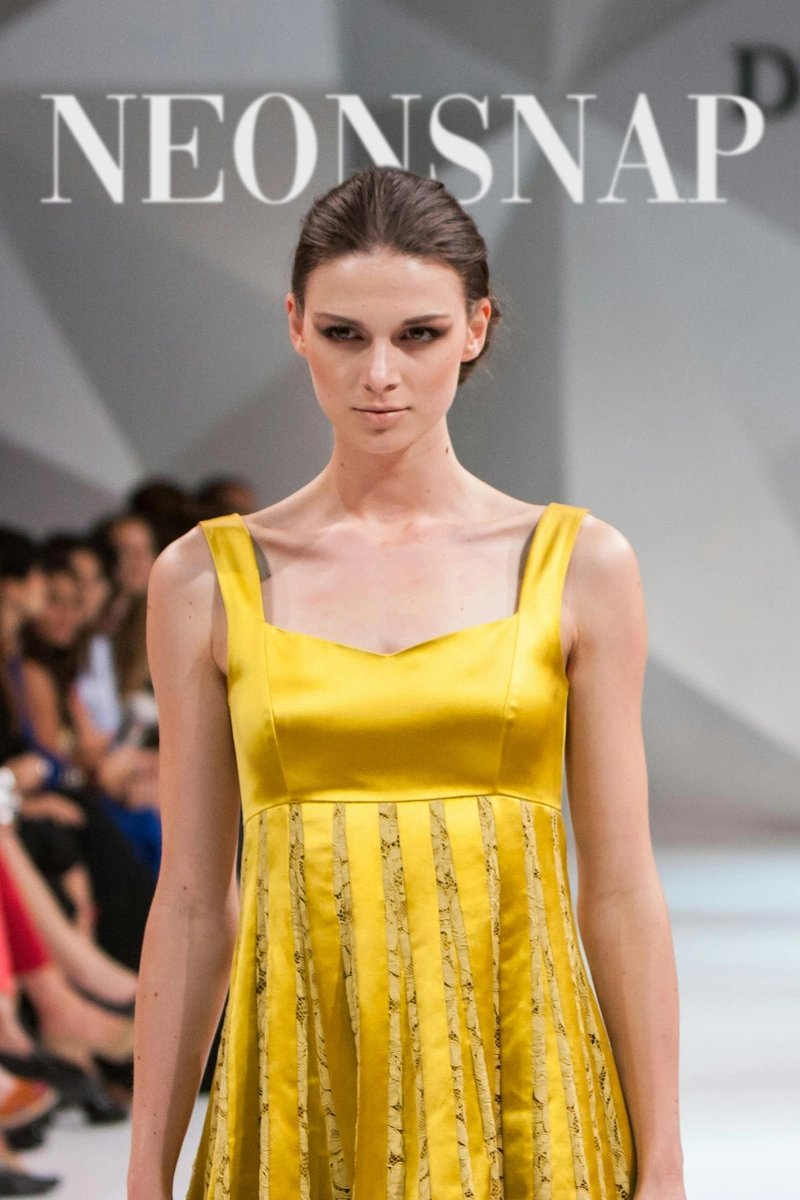
How to Become a Model With No Experience
A Realistic Beginner's Guide to Starting From Scratch
The short answer
To become a model with no experience, you don't need an agency, a paid course, or an expensive portfolio to start. Take your own digitals (simple, unretouched photos in natural light), work out which type of modelling suits you, build a basic portfolio by collaborating with emerging photographers, then submit to legitimate agencies, the ones that earn commission and never charge you upfront. The rest of this guide walks through each step in detail.
The most important thing to understand before anything else: the industry is not one thing. High fashion, commercial, fitness, parts, plus-size, petite, and influencer categories are all distinct markets with different requirements, different career paths, and different levels of accessibility. Most people who think they cannot pursue this career are thinking about one narrow slice of the industry while ignoring several others that they would be well-suited for.
The question is not whether you could start in this field, but which category suits you the most, and how to pursue that part of the industry specifically.
The Different Types of Modelling
There are at least seven distinct types of modelling: high fashion, commercial, fitness, parts, plus-size, petite, and influencer. Most have no height requirement and several are open to complete beginners. Understanding this landscape before you start is more useful than any other single piece of advice in this guide. Each sector has its own requirements, its own agencies, its own client base, and its own career trajectory.
High fashion and editorial
This is what most people picture when they think of the profession. Runway shows, fashion magazines, high-end campaigns. The requirements are the most specific in the industry: typically 5'8 and above for women, 6'0 and above for men, with a lean build, distinctive features, and strong bone structure. The market is the most competitive and the careers the most precarious. The vast majority of successful working professionals do not work in high fashion.
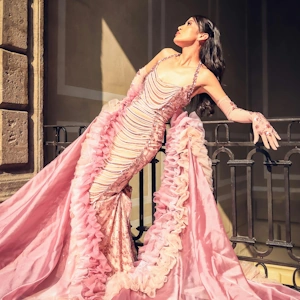
Commercial sector
This is the largest and most accessible part of the industry. Commercial professionals appear in advertising, packaging, websites, catalogues, and brand campaigns for consumer products. The requirements are much broader than high fashion. Approachability, relatability, and the ability to convey natural emotion on camera matter more than physical measurements. This sector covers all ages, body types, and ethnicities, and represents the majority of actual work available.
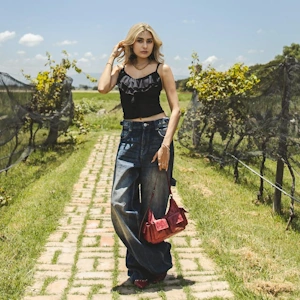
Fitness sector
This category is for people with visibly athletic, toned physiques who can present them confidently on camera. The market includes sportswear brands, fitness equipment companies, supplement brands, and health publications. Height requirements are less strict than high fashion but physical condition is paramount. Presenters typically need strong social media presences to complement agency representation.
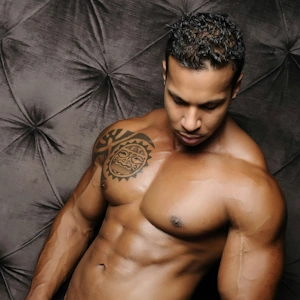
Parts work
Parts models are hired specifically for individual features: hands, feet, legs, lips, ears, or eyes. This is a significant niche and one that operates entirely independently of traditional requirements around height or overall appearance. Exceptional hands or feet, in particular, are highly marketable and professionals can sustain long careers from a single feature that photographs well.
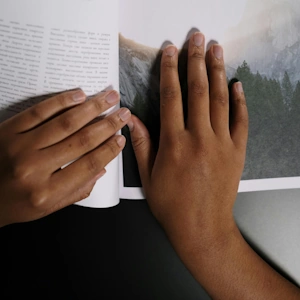
Plus-size and curve modelling
This market has grown substantially in recent years as mainstream fashion brands have broadened their size ranges and consumer demand for inclusive representation has increased. Most agencies define plus-size as sizes 12 and above, though this varies. The work available in this category is increasingly equivalent to straight-size commercial work in terms of clients, rates, and campaign visibility.
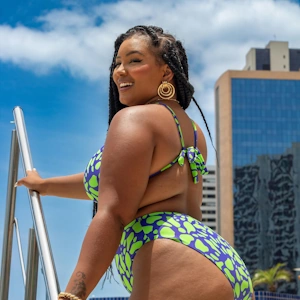
Petite modelling
Petite modelling serves the significant market of consumers and brands who need models under 5'7. The work is primarily commercial and e-commerce rather than runway. Volume is substantial, e-commerce photography in particular requires diverse height representation.
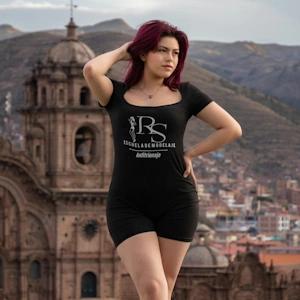
Influencer and content creation
A relatively new category that sits at the intersection of talent and content creation. Brands hire individuals with established social media followings to feature their products in organic-feeling content rather than traditional campaign imagery. The requirements are audience size, engagement, and aesthetic consistency rather than traditional physical measurements. This is an increasingly significant source of income for people who might not fit traditional agency criteria.
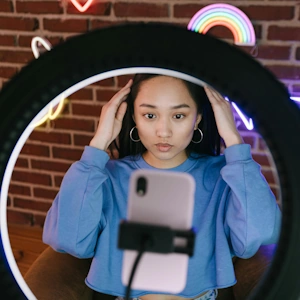
What Agencies Actually Look For
Beyond physical requirements, every modelling agency values the same five things: the ability to photograph well, professionalism and reliability, the ability to take direction, versatility, and an active social media presence. Understanding these is more useful than worrying about whether you meet specific measurements. Understanding these is more useful than worrying about whether you meet specific measurements.
- The ability to photograph well. This is different from being conventionally attractive in person. Some people who are striking in real life do not translate well to camera, and vice versa. Agencies are interested in how you look in photographs, not just how you look standing in front of them.
- Professionalism and reliability. The modelling industry runs on tight schedules and significant budgets. Models who are consistently on time, prepared, and easy to direct are far more valuable than those who are not, regardless of how they look. Agencies represent their reputation with every model they send to a client.
- The ability to take direction. Modelling is a collaborative process. The ability to listen to direction, adjust quickly, and consistently produce what a photographer or art director is looking for is a skill that agencies actively seek and that separates working models from those who struggle to find consistent bookings.
- Versatility. Particularly for commercial modelling, the ability to convey a range of emotions and adapt to different brief requirements makes a model significantly more bookable. A model who can be aspirational, approachable, athletic, and professional across different briefs is worth more to a commercial agency than one who photographs brilliantly in a single look.
- A strong social media presence. Increasingly relevant for all types of modelling. Agencies and clients are aware that a model with a meaningful following brings additional value to a campaign beyond the images themselves. This is not a requirement for all categories but is becoming a consideration across the board.
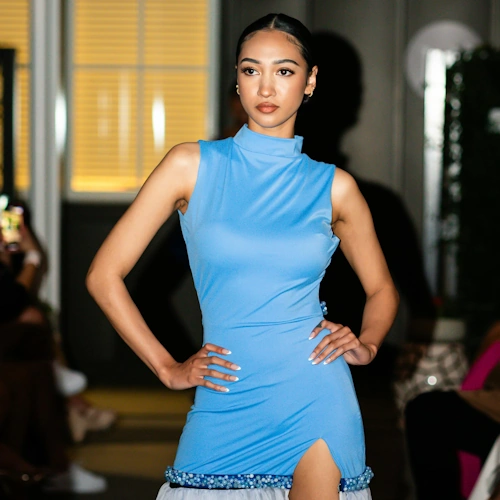
See yourself as a model before your first shoot
NeonSnap's free AI model transformation tool transforms your photo into iconic model personas including Vogue cover style and 90s supermodel looks. A useful way to see your potential and explore different directions before investing in professional photography.
Try our AI Model Transformation free →How to Prepare Your Look
Before approaching agencies or investing in professional photography, it is worth spending time on your visual presentation. This does not mean changing how you look fundamentally. It means understanding what works for you and making informed decisions about your appearance before you start spending money.
Sort your skin first
Clear, healthy skin is the foundation of a model's look regardless of category. A consistent skincare routine, adequate hydration, and proper SPF protection will improve your skin more significantly than any makeup application over the top of neglected skin. Our glow up guide covers the evidence-based skincare foundations in detail. Give yourself at least eight weeks of consistent routine before any professional photography.
Find the right hairstyle for your face shape
Your hairstyle frames your face in every photograph and is one of the first things an agency or client notices. NeonSnap's free AI Hair Change tool lets you try different styles and colours on your own photo before you commit to anything. Seeing how a style works on your own face is far more useful than going from a reference photo of someone with a different face shape.
Understand which looks suit you
Models are often asked to adapt their presentation to different briefs: natural and approachable for one client, editorial and dramatic for another. Before investing in professional shoots, explore different directions using NeonSnap's AI tools. The Alter Ego tool transforms your photo into iconic editorial personas. The Makeup Change tool lets you try different makeup looks. The Editorial Studio creates professional editorial-style shots from any photo. These are useful for understanding your range before a casting.
Work on your fitness and posture
Regardless of the type of modelling you are pursuing, physical health and good posture make a significant difference to how you present on camera. Upright posture, relaxed shoulders, and a confident bearing transform how you read in photographs independently of your physical appearance. Our looksmaxxing guide covers posture and physical preparation in detail.
How to Build a Modelling Portfolio With No Experience
You build your first modelling portfolio by starting with digitals, then collaborating with student or emerging photographers for free, and only paying for test shoots once you know your direction. How far you take it depends on where you are in the process and how much you want to invest. Here is the honest picture of your options.
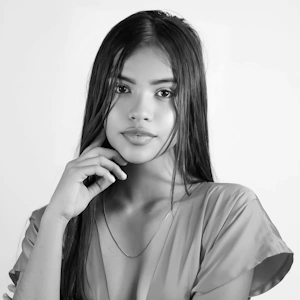
Start with digitals
Digitals are the industry term for simple, unretouched photographs that show your natural appearance. They typically include a clear face shot, a three-quarter shot, a profile, and a full-length shot. Take them in natural light against a plain background, with minimal makeup and simple clothing. This is what most agencies ask for first. You do not need a professional photographer for digitals. A smartphone in good natural light is sufficient. The point is to show what you look like, not to produce polished campaign imagery.
Collaborate with student and emerging photographers
Photography students and emerging photographers need portfolio work as much as you do. Collaboration arrangements, where both parties get images for their portfolios without payment, are common and produce professional-quality results without the cost of hiring an established photographer. Look for photography students at local art colleges and universities, or use platforms like PurplePort and Model Mayhem to find collaborators.
Test shoots with established photographers
As your portfolio develops, paid test shoots with more experienced photographers produce higher-quality images for your book. These cost money but should be selective investments rather than the starting point. Spend on test shoots once you have a clear sense of your look and direction rather than before you know what you are trying to achieve.
Use AI tools to explore before you invest
Before spending money on professional photography, NeonSnap's AI Editorial Studio creates professional editorial-style images from any photo. This is useful for understanding how you present in different editorial contexts and what direction to pursue in professional shoots, without the cost of booking a photographer to explore every option.
Also on NeonSnap
Create a professional headshot for agency submissions
Agency submissions often require a professional portrait alongside your digitals. NeonSnap's free AI LinkedIn Headshot tool produces a polished, professional portrait from any photo, suitable for agency submissions and professional profiles alike.
Try AI Headshot free →Approaching Agencies
Once you have digitals and the beginnings of a portfolio, you can start approaching agencies. Here is what the process actually looks like and what to expect.
- Research agencies in your market. Look for agencies that represent the type of modelling you are pursuing and that are based in or operate within your city or region. A fashion agency in London or New York operates very differently from a commercial agency in a regional city. Start with agencies whose roster includes models who look like you rather than those who represent the look you aspire to.
- Follow their submission guidelines exactly. Every agency publishes submission guidelines on their website. Follow them precisely. Sending the wrong format, wrong dimensions, or wrong information immediately marks you as someone who cannot follow direction, quality agencies assess from the very first contact.
- Send your digitals, not your most heavily retouched work. Agencies want to see what you actually look like, not what is possible with significant photography and retouching. Save the polished portfolio images for when you have an in-person meeting.
- Be prepared for rejection and silence. Most agency submissions receive no response. This does not necessarily mean you are not suitable for modelling. It means the agency did not have an immediate need for your specific look at that moment. Continue submitting to multiple agencies simultaneously and do not read too much into individual rejections.
- Open calls are valuable. Many agencies hold open calls where anyone can walk in and be seen without a prior submission. These give you direct access to agency scouts and the opportunity to make a personal impression. Attend as many as are accessible and treat each one as a professional appointment.
Avoiding Scams
The single rule that protects you from almost every modelling scam: a legitimate agency earns money from commission on your bookings (typically 15 to 20 percent) and never charges you upfront fees for registration, training, or a portfolio. If anyone asks for money before you have been booked for paid work, walk away. The modelling industry attracts a significant number of scammers who prey on people who are new to the industry and motivated by the desire to work. Understanding the warning signs is essential before you spend any money or sign anything.
- Legitimate agencies do not charge upfront fees. Full stop. A real modelling agency makes money through commission on bookings, typically between 15 and 20 percent. They have no reason to charge you money before you have worked. Any agency that asks for registration fees, portfolio fees, or training fees before you have been booked for a job is not legitimate.
- Be cautious of unsolicited approaches. Being approached by a scout or agency representative in a shopping centre, on the street, or on social media is a common scam setup. Legitimate agencies do occasionally scout in public but they will always direct you to their official website and submission process rather than asking for money or personal details on the spot.
- Research any agency before signing anything. Check their website, their client list, their social media presence, and any reviews from models who have worked with them. Legitimate agencies have verifiable track records and clients you can check independently.
- Never pay for photographs from an agency-recommended photographer. This is a common scam structure where the agency and photographer split the fees from naive new models. If an agency requires you to use a specific photographer at your expense, walk away.
- Read any contract carefully before signing. If an agency offers you representation, read the contract thoroughly. Pay attention to the length of the exclusive arrangement, the commission rate, any expense provisions, and the termination clauses. If you are unsure, seek independent legal advice before signing.
How to Start Modelling Without an Agency
Yes, you can become a model without an agency. Freelance platforms like Model Mayhem and PurplePort, direct outreach to brands and photographers, social media, and local or regional work are all viable routes to paid modelling without representation. Agency representation is not the only route into the industry. A significant amount of commercial, fitness, and content work happens independently of traditional agencies, particularly for people who are willing to invest in building their own profile.
- Freelance platforms. Model Mayhem, PurplePort, and similar platforms connect models directly with photographers, brands, and creative directors. A strong profile, a current portfolio, and professional communication can generate a consistent flow of work without any agency involvement.
- Social media. Instagram, TikTok, and YouTube are genuine routes to modelling work for people who invest in building an audience. Brands and smaller agencies increasingly approach individuals with engaged followings rather than going through traditional casting routes. Consistency, a clear aesthetic, and genuine engagement with your audience matter more than follower count alone.
- Direct outreach to brands and photographers. Identifying brands whose aesthetic aligns with yours and reaching out directly, with a professional portfolio and a specific proposal, is more likely to produce a response than general availability emails. Smaller brands with less established relationships with agencies are the most accessible starting points.
- Local and regional work. Local advertising, regional publications, and smaller brands often cast independently rather than through national agencies. Building a reputation in your local market is a realistic and sustainable starting point that can grow into broader opportunities over time.
Also on NeonSnap
See your editorial potential with AI
NeonSnap's free AI Editorial Studio transforms your photo into a professional fashion editorial shoot. A useful tool for understanding your visual range and exploring different editorial directions before investing in professional photography sessions.
Try Editorial Studio free →What to Expect From the Career
It is worth being honest about what a day-to-day reality actually looks like for most people. The gap between public perception and the reality of working in the industry is significant.
Most working professionals do not have the careers depicted in fashion media. They work steadily in commercial, fitness, or e-commerce assignments. They book jobs through agencies or independently, earn a reliable income, and fit jobs around other work rather than treating it as their sole occupation. This is not a failure state. It is the reality for the majority of working professionals.
The individuals who reach consistent high-fashion work, major brand campaigns, and a full-time income represent a tiny fraction of those working in the industry. Getting there requires the right look at the right time, significant luck, impeccable professionalism, resilience to rejection, and often a willingness to relocate to a major fashion centre.
None of this means you should not pursue this path. It means pursuing it with a clear understanding of the landscape and realistic expectations of what it can provide. The people who sustain long careers are almost always those who approach it practically, diversify across categories and markets, and treat it as a profession rather than a fantasy.
Frequently Asked Questions
How do you become a model with no experience?
Start with digitals, simple, unretouched photos taken in natural light that show your natural appearance. Then build a small portfolio by collaborating with emerging photographers, work out which type of modelling suits you (commercial, petite, plus-size, fitness, parts, or influencer), and submit to legitimate agencies that never charge upfront fees. No paid course, expensive portfolio, or prior experience is required to begin. NeonSnap's free AI tools let you see yourself as a model and explore different looks before you spend anything on professional photography.
What do modelling agencies look for?
Different agencies look for different things depending on their market. High fashion agencies prioritise distinctive features, strong bone structure, and a tall lean build. Commercial agencies value approachability, versatility, and the ability to convey relatable emotions on camera. What all agencies share is an interest in models who photograph well, present professionally, and can follow direction consistently.
Do you need to be tall to be a model?
For high fashion and runway modelling, height requirements are typically 5'8 and above for women and 6'0 and above for men. However, commercial, fitness, parts, petite, and plus-size modelling all have different requirements and represent significant portions of the industry. Many working models do not meet traditional height standards.
How do I build a modelling portfolio with no experience?
Start with digitals, which are simple unretouched photos taken in natural light that show your natural appearance. From there, collaborate with student or emerging photographers who need portfolio work as much as you do. NeonSnap's AI Editorial Studio can help you explore different looks and presentation styles before investing in professional shoots.
How do I avoid modelling scams?
Legitimate modelling agencies make money from commission on bookings, typically 15 to 20 percent. They do not charge models upfront fees for registration, portfolio development, or training. Any agency that asks for money before you have been booked for work is not a legitimate agency. Be particularly cautious of anyone who approaches you unsolicited in a public place.
Can I start modelling without an agency?
Yes. Freelance modelling through platforms like Model Mayhem, direct contact with photographers and brands, and social media presence are all viable routes to modelling work without agency representation. Many models build successful careers independently, particularly in commercial, fitness, and influencer-adjacent modelling.
What age can you start modelling?
There is no single answer as it depends on the type of modelling. High fashion agencies occasionally sign models as young as 14 or 15 with parental consent, though many now prefer to work with models aged 18 and above. Commercial modelling has no upper age limit and actively seeks models across all age ranges. The industry is broader and more age-diverse than its reputation suggests.
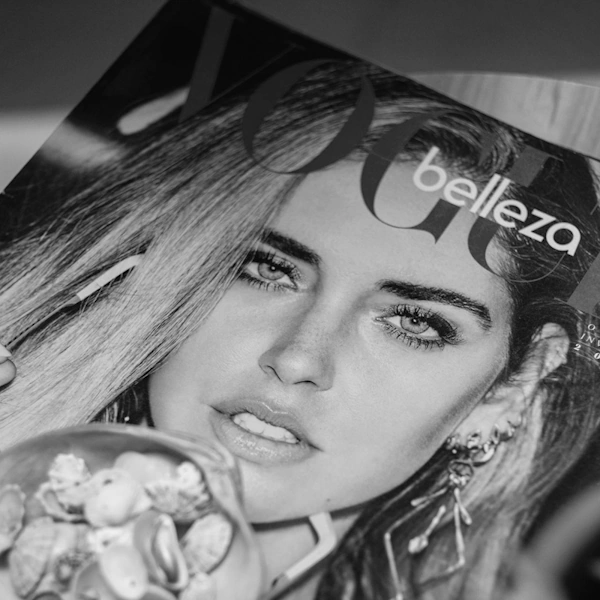
See your modelling potential before your first shoot, free.
NeonSnap's free AI tools let you try different looks, hairstyles, and editorial personas on your own photo. Explore your range before spending money on professional photography.
Try Our AI Model Try-On Tools