Make yours now
 Enough for 10 ten second videos







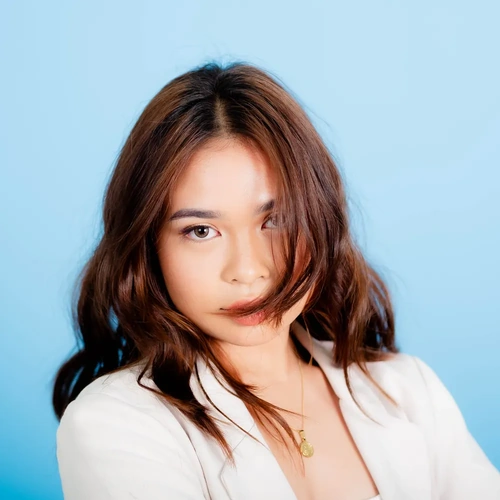
Pantone named Mocha Mousse its Colour of the Year for 2025, and hair salons took the hint. Nearly two years on, the brunettes filling salon feeds are still glossy, multi-tonal browns with names borrowed from a coffee menu, and the word people use for the whole look is "expensive".
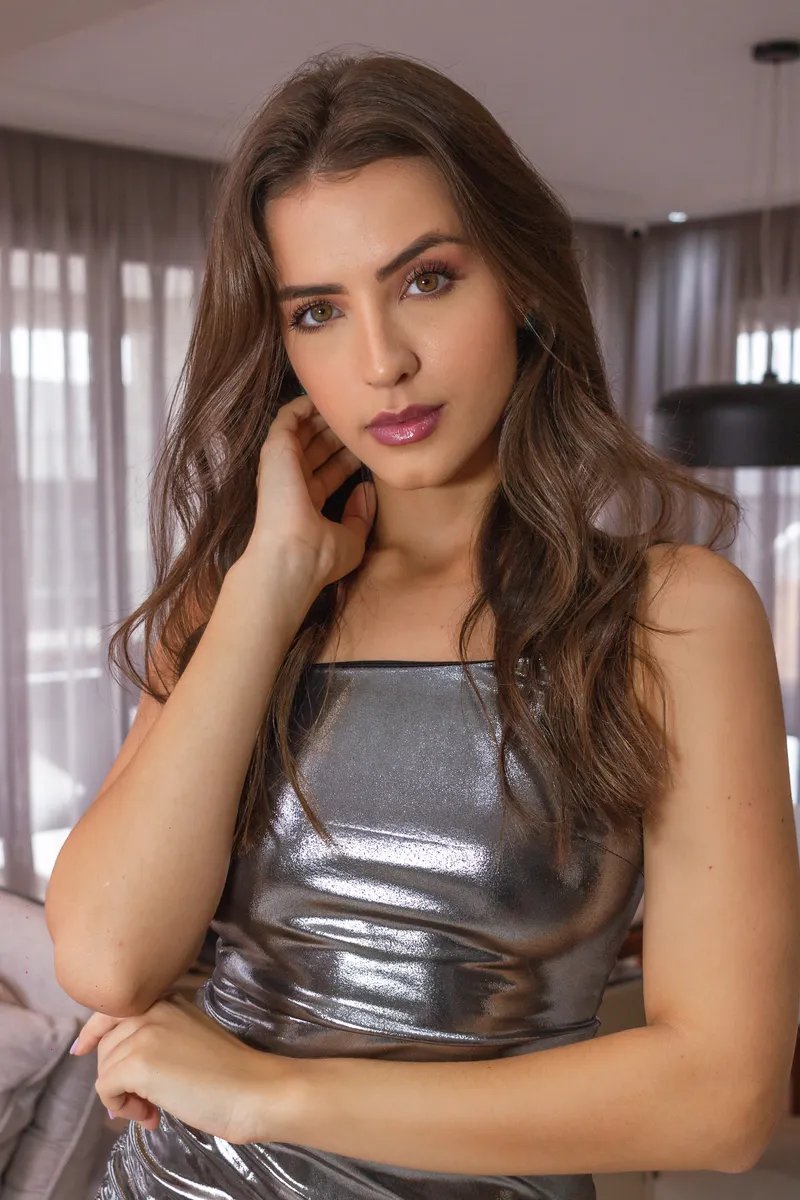
Expensive Brunette
Mocha, Espresso and How to Ask for Them
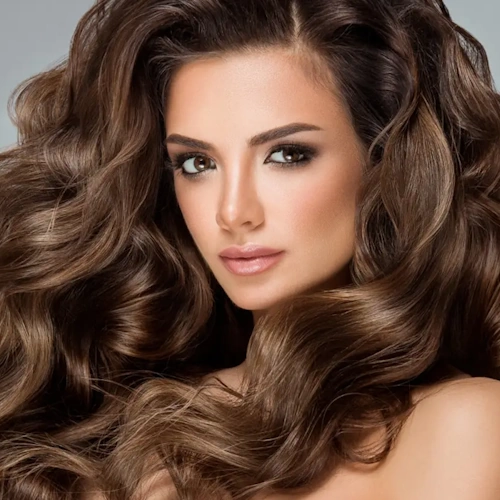
The short version: expensive brunette is brown hair with several close tones in it and a high shine on top. It is a finish more than a shade. You can have it as a light mocha or an almost-black espresso, warm or cool, and it looks expensive for the same reason a good coat does. The colour is even, the surface is smooth and nothing looks as if it came out of a box.
Below is what each of the coffee names actually means, who tends to suit which, what to say to a colourist so you get dimension rather than a flat helmet of brown, and how to stop it turning orange by Christmas.
What Is Expensive Brunette Hair?
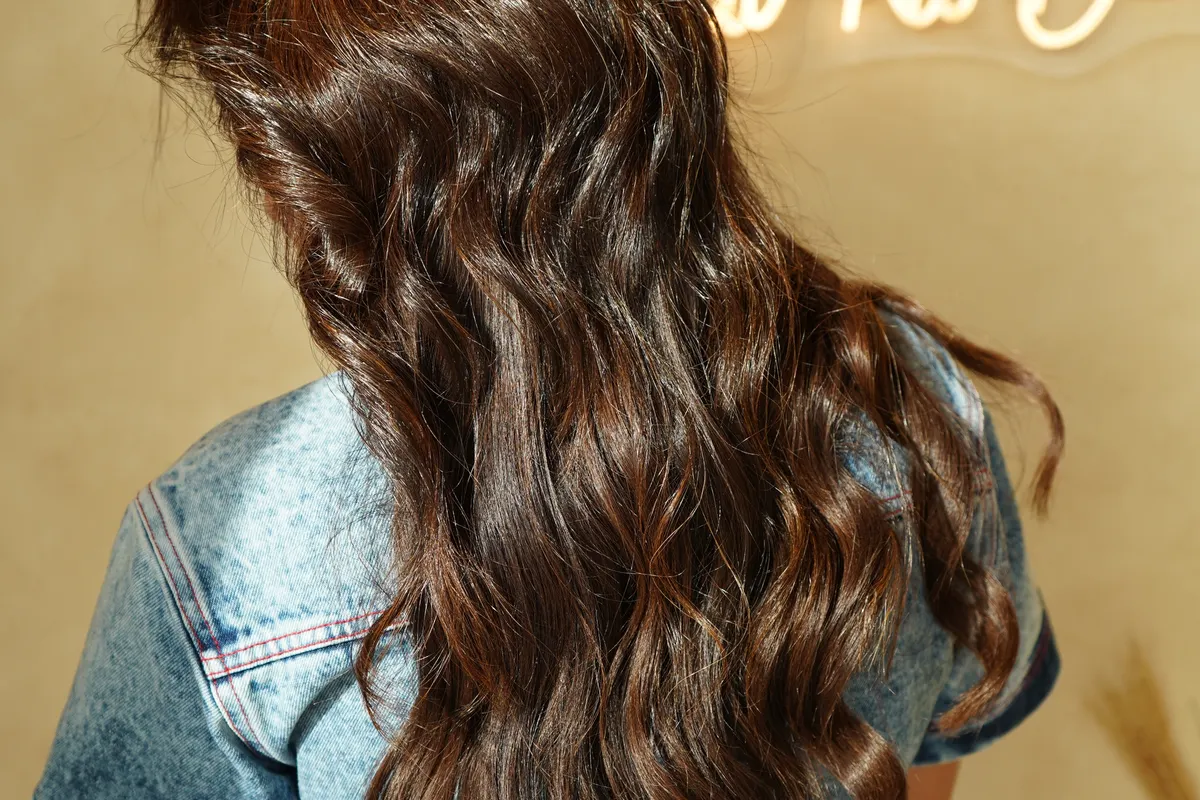
Picture brown hair in sunlight. Natural brunettes are rarely one colour all the way through: the ends are a shade lighter from the sun, the underneath is a shade darker, and the light picks out threads of something warmer. Expensive brunette copies that on purpose. A colourist weaves in fine highlights and lowlights a level or two either side of your base, then finishes with a gloss so the cuticle lies flat and reflects light.
So it moves when you turn your head, it shines, which is most of the "expensive" impression, and it stays close to your own colour, so the regrowth blurs in instead of drawing a line across your parting every five weeks. Stylist, L'Oréal and Marie Claire all describe it in roughly these terms, and they all make the same point about upkeep: built on your natural base, it is one of the cheaper looks to keep.
Most of what reads as "expensive" in a brunette is shine. The colour can be any brown you like.
Mocha, Espresso, Chocolate: Which Brown Is Which?
Colourists measure depth on a scale of 1 to 10, where 1 is black and 10 is the palest blonde. Brunette runs from about level 2 or 3 at the dark end to level 6 at the light end. The coffee names are marketing rather than standard codes, and brands do not line up exactly (a box dye's level 6 light brown can be a professional colourist's level 7 dark blonde), so treat the list below as a rough map rather than a chart to quote at the salon.
- Espresso: the deepest of the set, around level 2 to 3, just short of black. Usually neutral or cool, with very little red. It looks sharpest against fair skin with dark brows, or against deep skin, where it reads polished rather than severe.
- Dark chocolate: a level or so lighter, with more warmth. The safe pick for most people who want "darker but still brown".
- Mocha: medium brown, about level 4 to 5, with a milky, slightly muted warmth. This is the Mocha Mousse family and the one that suits the widest range of skin tones.
- Chestnut: medium brown with a clear red or copper reflect. Lovely on warm skin, harder work on skin that flushes easily.
- Mushroom or cool mocha: the same depth as mocha with the warmth taken out, so it reads beige-grey rather than golden. Good on cool undertones, and a useful trick for anyone whose brown always goes brassy.
Who Suits Mocha and Who Suits Espresso?
Two things decide it: your undertone and your contrast. Undertone tells you whether to go warm or cool, and our guide to what hair colour suits you walks through the vein, jewellery and white paper tests if you are not sure which you are. Contrast is the gap between your skin, your brows and your eyes, and it decides how dark you can go before the colour starts wearing you.
People with low contrast, say light brown brows and fair or light olive skin, usually look best in mocha or a soft milk chocolate. Espresso on them can drain the face, especially in winter. People with high contrast, such as very dark brows on pale skin or deep skin with dark eyes, can carry espresso easily, and it often looks better on them than anything lighter.
Warm undertones lean towards chocolate, mocha and chestnut. Cool undertones do better with espresso, cool mocha and mushroom. Neutral skin can wear nearly all of it, which is a nice position to be in.
If you are stuck between two of these, try them both on your own face before you book. Upload a clear, evenly lit selfie to NeonSnap's AI Hair Change and ask for "glossy mocha brown" and then "glossy espresso brown". Looking at the two side by side settles it faster than any undertone quiz.
How Do You Ask for Expensive Brunette at the Salon?
The phrase itself means something slightly different to every colourist, so do not rely on it. Bring two or three photos of the result you want, ideally taken in daylight, and one photo of something you do not want. Then talk about these points.
The depth
Say whether you want to stay at your natural depth, go a shade darker or go a shade lighter. Staying within a level or two of your own colour is what keeps regrowth soft. Agree on the lightest and darkest pieces you are happy with before anything is mixed.
The dimension
Ask for fine highlights and lowlights, or a soft balayage, kept close to the base. The words to avoid are "chunky" and "stripes". If you want brightness around the face, ask for a couple of slightly lighter pieces at the front rather than lightening all over.
The tone
Say warm, neutral or cool, and point at the photo. Chocolate and chestnut are warm, mocha sits in the middle, espresso and mushroom are cool. Mention if your hair has gone orange before, since a colourist will tone for that from the start.
The gloss
Ask for a gloss or toner to finish. It is what turns well placed colour into hair that looks expensive, and it is the part to rebook between full colour appointments.
If you are new to the salon or have not had colour there before, you will need an allergy alert test at least 48 hours ahead. Book it at the same time as the appointment.
Can You Get It From Blonde or With Box Dye?
Box dye first. A box gives you one tone applied evenly from root to tip, and the whole look depends on several tones in different sections. You can get a perfectly nice single brown from a box. You cannot get dimension from one, and putting a darker box colour over existing highlights tends to produce patchy depth that a colourist then has to correct.
Going from blonde to brunette is possible, but it is the one move where skipping a step goes visibly wrong. Lightening strips out the warm red and gold pigment that brown dye expects to sit on top of. Lay brown straight over pale blonde and the cool pigment in the dye has nothing warm underneath it, so the result can look muddy, flat or faintly green. Colourists call the fix filling, or repigmenting: a warm red or gold shade goes on first, a little lighter than the target, and the brown goes over it. Colourists quoted by Behind the Chair and Refinery29 recommend it, and the usual rule of thumb is that going more than two or three shades darker from pale blonde needs it.
Expect the first few weeks to fade faster than brown on hair that has never been lightened. Bleached hair is more porous and lets go of pigment easily, which is why a gloss a month or so after the switch is worth booking in advance.
How Do You Keep Brown Hair Glossy and Stop It Going Orange?
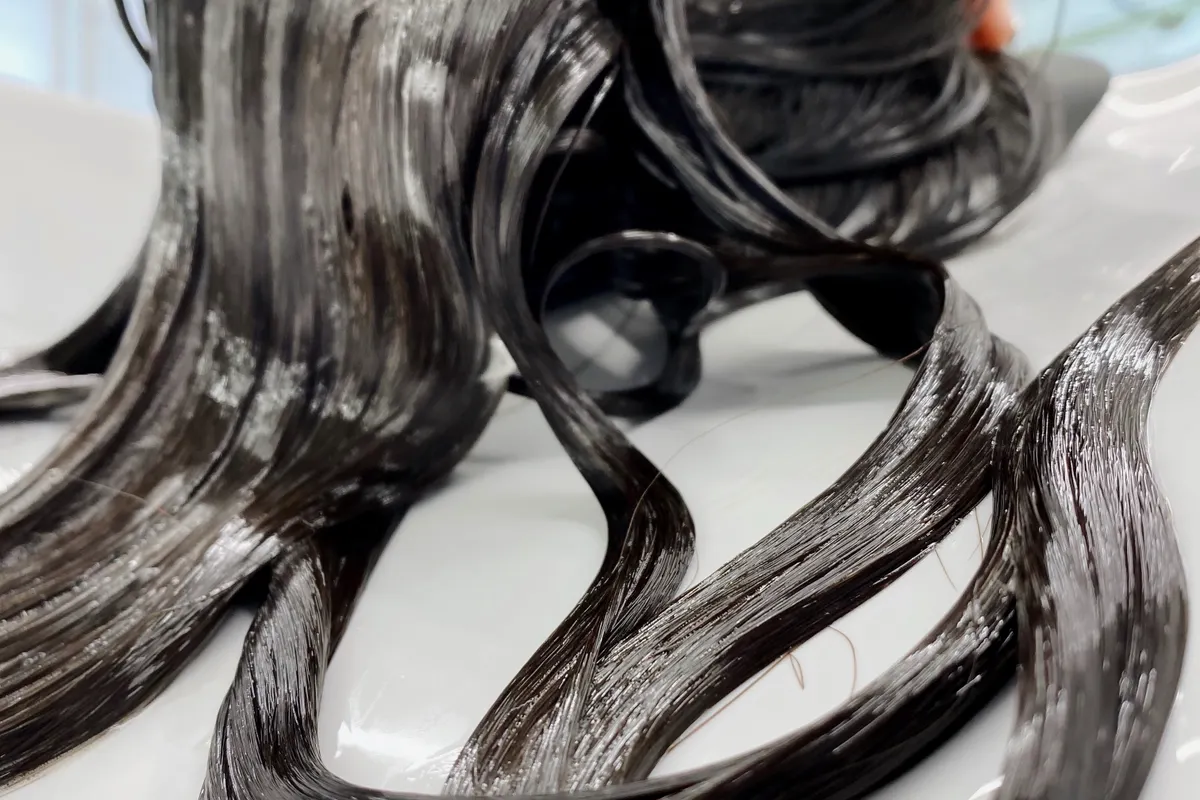
Brown hair has red and orange pigment underneath. As colour fades, the cooler tones leave first, and what is left looks brassy. Lightening speeds this up because it removes the cool pigment directly. Sun, chlorine, hot water and harsh shampoo all play their part. So the plan is partly about keeping the colour in and partly about cancelling the warmth that creeps through.
- Wash less, and cooler. Hot water opens the cuticle and lets pigment out. A cool final rinse does the opposite and adds a little shine.
- Use a sulfate-free shampoo. Strong cleansers strip colour faster than anything else in the bathroom.
- Use blue shampoo, not purple. Purple cancels yellow, which is a blonde problem. Blue sits opposite orange on the colour wheel, so it is the one that neutralises brassy brown. Once a week is usually plenty; it deposits pigment temporarily rather than changing your colour.
- Turn the heat down. Hot tools fade colour and rough up the surface, and a rough surface does not reflect light. Use heat protection and the lowest setting that works.
- Rebook the gloss. A salon gloss usually lasts around four to six weeks, according to Rush, and Country & Town House's stylists quote up to ten on healthy hair. Booking one between colour appointments is the cheapest way to keep the shine.
At-home glosses fill the gap. Josh Wood's treatment glosses, for example, come in chocolate and chestnut shades plus a Smokey Brunette made to tone down red and orange, and the brand says each lasts up to six washes. They will not add dimension, but they bring back the shine and nudge the tone back to where it started.
lightbulb
If your brown always ends up orange within a month, ask for a shade with a neutral or cool reflect next time rather than relying on blue shampoo to fight it. Starting cooler is easier than correcting.
Is It Worth Going Darker for Winter?
It is the obvious time to do it. Skin is usually paler from November to March, a deeper brown gives more contrast against it, and the shine shows best in low winter light. The catch is spring: if you went two levels darker than your natural colour, you will be choosing between keeping it up or growing it out through the summer, and dark colour is slow to lift back out. Going one level darker, or adding lowlights rather than colouring all over, keeps that door open.
If you are weighing up a whole change of look rather than only the colour, our guide to the mob wife aesthetic covers the leather, fur and red lip look that usually comes with big, glossy dark hair.
Frequently Asked Questions
What is expensive brunette hair?
It is a finish rather than a single shade: brown hair with several close tones woven through it and a glossy surface, so it moves in the light instead of sitting flat. A colourist usually builds it from fine highlights and lowlights a level or two either side of your base, then seals it with a gloss. Because the tones sit close to your natural colour, the regrowth blends in.
What is the difference between mocha and espresso hair?
Depth, mostly. Mocha is a medium, milky brown with a little warmth in it, the shade Pantone made its Colour of the Year for 2025 as Mocha Mousse. Espresso is much darker, sitting just short of black, and is usually cool or neutral. Mocha suits people who want softness around the face; espresso gives more contrast and looks sharpest against very fair or very deep skin.
Can I get expensive brunette with box dye?
Not really. A box gives you one tone applied all over, and the whole point of this look is several tones placed in different sections. Box dye can give you a decent single brown, and an at-home gloss can refresh the shine between appointments, but the dimension comes from a colourist working section by section.
Can I go from blonde to brunette in one appointment?
Often, yes, if the colourist fills the hair first. Bleached hair has lost the warm pigment that brown dye expects to sit on, so brown applied straight over pale blonde can turn muddy or slightly green. A warm filler, usually red or gold and a little lighter than the target, goes on first and the brown goes over it. Expect it to fade faster than brown on virgin hair for the first few weeks.
Why does my brown hair go orange?
Brown hair has red and orange pigment underneath. When colour fades, or when hair has been lightened, the cooler tones go first and the warm ones are left showing. Sun, hot water, chlorine and harsh shampoo all speed it up. A blue shampoo used once a week or so cancels the orange temporarily, because blue sits opposite orange on the colour wheel, and a gloss at the salon resets the tone properly.
How long does a hair gloss last?
A salon gloss usually lasts around four to six weeks, and some stylists quote up to ten weeks on hair in good condition. At-home glosses are gentler and are made to be used more often: Josh Wood says its treatment glosses last up to six washes. Washing less, rinsing with cool water and going easy on hot tools all help either kind last longer.
See mocha and espresso on your own face first.
Upload one photo and try every brown on this page before anyone mixes a thing, free.
Try AI Hair Change free