£2.99 for 10 tokens



Rose Repetto started making ballet shoes in a Paris workshop in 1947 because her son, the choreographer Roland Petit, kept coming home from class with sore feet. Nine years later she made a street version for Brigitte Bardot, who wore it in And God Created Woman, and the ballet shoe walked out of the studio and never went back. Balletcore is the rest of that story.
The Balletcore Aesthetic
Outfits, Origins and Styling
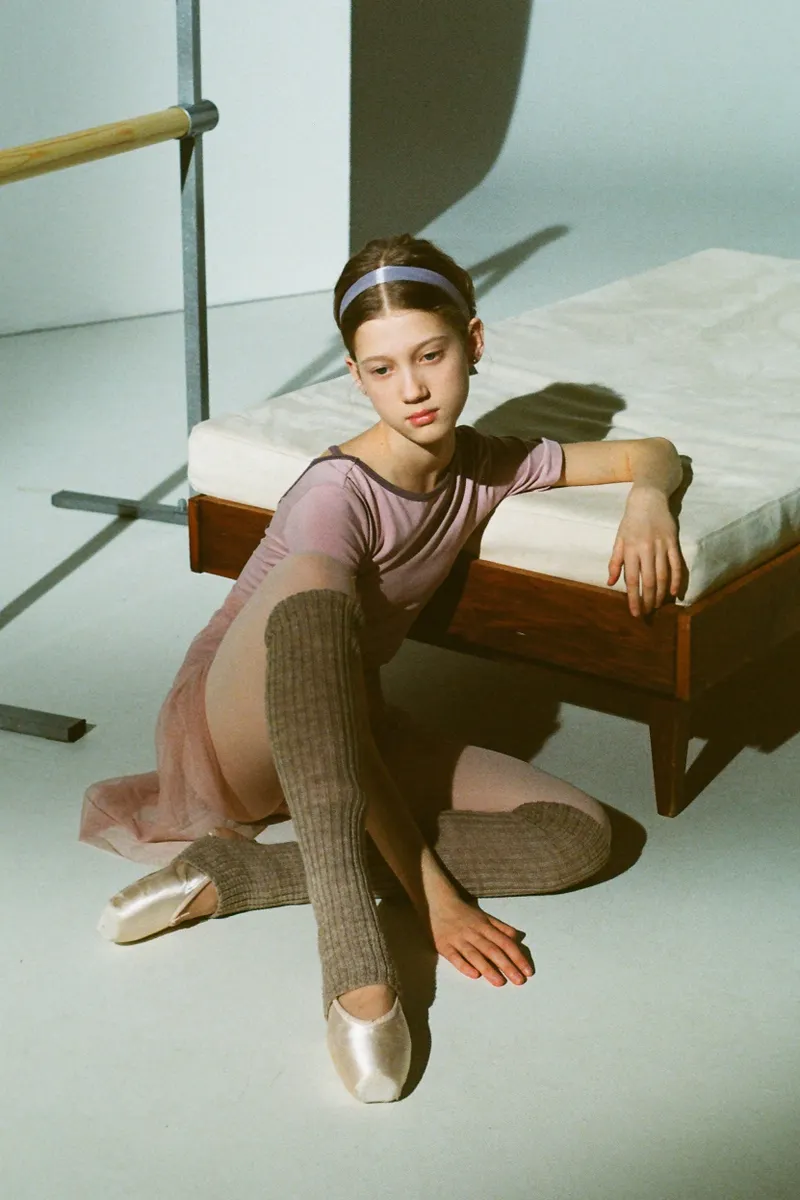
You have seen the wardrobe even if nobody named it for you. Wrap cardigans crossed at the waist and tied at the back. Knitted leg warmers over jeans. A sheer skirt worn over leggings. Hair in a low bun with a centre part so severe it looks like a decision. And flats, everywhere, after a decade in which the only acceptable shoe was a trainer.
This guide covers what balletcore actually is, where it came from and the bit of its history worth being honest about, how it differs from coquette, the palette, the wardrobe piece by piece, how to buy flats you can walk in, the hair and makeup, and the one styling rule that keeps the whole thing from looking like you got lost on the way to a recital.
Balletcore borrows from rehearsal, not performance. Every piece in it was designed to be warmed up in, which is why it survives outside the studio.
What Is the Balletcore Aesthetic?
Balletcore is a style assembled from dancewear. Not the costume, though. The clothes worn in a class at nine in the morning: a leotard, tights, a wrap skirt tied at the hip, a cardigan that crosses over the chest and ties at the back, leg warmers pushed down over the ankle, soft shoes that bend with the foot, hair scraped into a bun so it stays there through two hours of turning.
That origin explains most of what the style looks like. Dance clothes are layered because dancers arrive cold and peel off as they warm up. They are knitted because knit keeps muscles warm. They are fitted because a teacher has to see the line of your body to correct it. And they are mostly undecorated, in pink, cream, grey marl and black, because a rehearsal room is not a stage.
Worn as fashion, all of that turns into a wardrobe that is unusually practical for an aesthetic. Wrap cardigans fit a range of bodies because you tie them where you want them. Bodysuits stay tucked. Flats are comfortable if you buy the right ones. There is nothing in balletcore you cannot sit down in, which is more than can be said for most of what your feed calls a look.
Where Did Balletcore Come From?
The shoe came first. Repetto opened in 1947, and in 1956 Rose Repetto made the Cendrillon, a city version of a ballet slipper, for Bardot. It appeared on screen that same year and became the shape that every ballet flat since has copied.
The look as a whole owes a great deal to Black Swan in 2010, which gave a generation a specific, slightly airless image of ballet: cold light, grey knitwear, pink satin, obsession. Twee fashion of the same period picked up the flats and the ribbons. Then it went quiet for about a decade while everyone wore trainers.
It came back in a single season. Miu Miu's autumn/winter 2022 show sent out satin ballet flats with an elastic strap across the foot, in white, pale blue and pink, styled with thick knitted socks. The shoe sold, TikTok gave the wardrobe around it a name, and by the end of 2022 the high street was full of wrap cardigans and leg warmers.
What is more interesting is that it did not burn out the way micro-trends usually do. The 2026 version is quieter and considerably more wearable. Tulle skirts have thinned out. Flats have multiplied instead, in leather, patent, suede, mesh and metallic, and manufacturers have started building them with a real sole rather than a piece of card.
One thing worth saying plainly: ballet imagery carries a narrow idea of what a body should be, and the aesthetic inherits it. The pictures that spread with the trend in 2022 were overwhelmingly of very thin, very white dancers, and if that has ever made the whole thing feel closed off to you, that reaction is fair. The clothes themselves are not the problem. A wrap cardigan is one of the more forgiving garments ever made, and leg warmers do not have an opinion about you.
Balletcore vs Coquette: What Is the Difference?
These two get treated as one thing and they are genuinely different, though the wardrobes overlap at the edges.
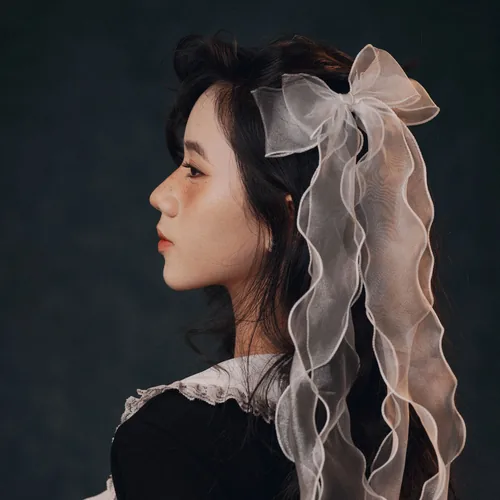
Balletcore is the rehearsal room. Grey marl, ribbed knit, leotards, leg warmers, hair up, no jewellery to speak of. Coquette is the stage and the dressing room. Satin bows, lace trim, pearls, slip dresses, ribbon chokers, decoration for its own sake. Put a lace-trimmed camisole in an outfit and it tips coquette. Put a grey marl wrap cardigan in it and it tips balletcore.
The mood differs too. Coquette is flirtatious and knows it is being looked at. Balletcore is closer to a work uniform, and its appeal is discipline rather than prettiness. It has more in common with the clean girl aesthetic than with coquette in that respect, and the two share a hairstyle almost exactly.
The overlap is real, though. Ballet pink, ribbon and flats belong to both, and plenty of outfits sit in the middle. Nobody is checking. But if you want the balletcore version rather than the coquette one, the test is simple: could someone plausibly do a barre exercise in this, or would the lace get in the way?
What Colours Does Balletcore Use?
The palette is small and almost entirely neutral, which is a large part of why the pieces mix so easily with clothes you already own.
- Ballet pink, the anchor. Pale and slightly greyed, the colour of a satin shoe rather than of bubblegum
- Cream and oatmeal, for knitwear, wrap tops and tights
- Grey marl, the one colour that separates balletcore from every neighbouring aesthetic. Nothing else in this corner of fashion uses it
- Black, worn a lot. Black leotards, black tights, black flats, black wrap skirts
- Dove blue, the secondary pastel, usually in a ribbon or a knit
- Burgundy or plum, the accent, used in ribbon, a wrap top or a pair of tights. It is a warmer, more adult alternative to pink and it does the same job
Print barely exists here. Jewellery is minimal and usually silver, small studs or a thin chain, because anything that swings gets in the way in a class. That restraint is what makes the aesthetic look expensive when the pieces are not.
The Balletcore Wardrobe
Seven pieces cover it, and the last one matters as much as the first six.
The wrap cardigan
The single most useful piece in the aesthetic. A fine knit that crosses at the front and ties at the back or side, cropped at the waist. Real dancewear versions from brands that supply dance shops cost less than fashion copies and fit better, because they are cut to actually cross over. Cream, black and grey are the useful colours. Worn over a bodysuit with jeans, it is the whole look in one garment.
The bodysuit or leotard
A scoop neck or camisole bodysuit in black, cream or pink is the wearable version of a leotard, and it solves the tucking problem that ruins high-waisted trousers. If you want the literal leotard, a plain long-sleeved one in black under wide trousers reads as intentional. Anything with a thong back is a dancewear detail that does not translate to a normal day out.
Leg warmers
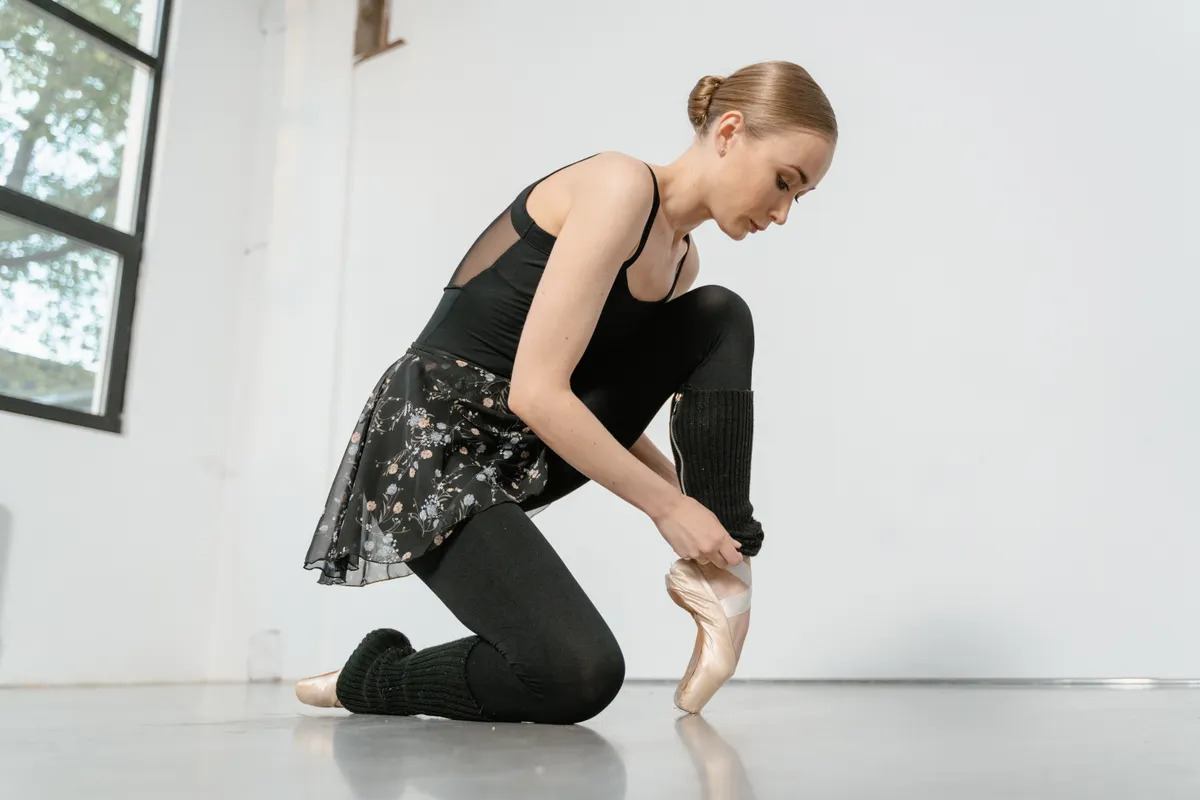
The most obviously dance-coded item, so use them carefully. Ribbed knit in cream, oatmeal or grey, worn scrunched over the ankle with flats, or pulled over slim jeans and pushed down. Chunky over slim is the proportion that works. Chunky over chunky makes legs look like columns, so if you are wearing wide trousers, skip these entirely.
The wrap skirt
A short chiffon or tulle skirt tied at the hip, worn over leggings, tights or slim trousers. This is where balletcore gets divisive and it is also where it looks most like itself. The version that works in daylight is a semi-sheer skirt in black or grey over black leggings with a plain top. A pink tulle skirt over bare tights is a costume, and it will read as one.
Tights, and the right ones
Opaque in black or a soft cream, ribbed for texture, or footless if you want the dancewear reference without the full effect. Cream tights have been the harder sell of the two and they are worth trying, especially with black flats and a black skirt. Cheap tights sag at the knee within an hour, which spoils the neat line the rest of the outfit is going for, so buy the denier up.
Flats and Mary Janes
The defining shoe. Classic satin or leather flats with an elastic across the foot, mesh versions for summer, or Mary Janes with a strap and a low block heel if you want something you can walk further in. Black patent is the version that goes with the most and stops an outfit reading as too sweet. See the next section before you buy, because this is the one piece where the cheap option genuinely does not work.
The plain half
Straight-leg or barrel jeans, tailored trousers, a grey marl sweatshirt, a plain white shirt, a big wool coat. None of it is balletcore alone and all of it is what makes balletcore wearable. The formula almost every good version of this look follows is one dance piece plus something structured or plain, which is why a wrap cardigan with tailored trousers works and a leotard with a tulle skirt does not.
Try it with NeonSnap
See balletcore outfits on your own photo
Wrap knits and layered skirts sit very differently on different frames, and a changing room is a slow way to find that out. NeonSnap's free AI Outfit Change tool puts wrap cardigans, bodysuits, sheer skirts and layered knits onto your own photo so you can see the silhouettes on you first.
Try AI Outfit Change free →Can You Actually Walk in Ballet Flats?
Podiatrists have been complaining about this shoe since it came back, and they have a point. A traditional flat has a thin unlined sole, no arch support and nothing holding your foot in place, so the foot slides forward and grips with the toes to stay in. Worn every day, that puts strain on the arch, the heel and the Achilles tendon, and it is a known route to heel pain.
None of which means you cannot wear them. It means you should buy them properly and not wear them seven days a week.
- Rotate them. Flats one day, a supportive shoe the next. Almost every foot specialist who has been asked about this trend gives the same advice, and it is the single change that makes the biggest difference
- Add a slim insole. Thin arch-support insoles are made specifically for low-volume shoes and will fit inside most flats without pushing your heel out
- Buy something that holds the foot. A strap, a proper elastic across the top, or a Mary Jane bar. If your toes are working to keep the shoe on, the shoe is wrong
- Check the sole bends where your foot bends. It should flex at the ball of the foot and resist twisting. A shoe you can wring out like a cloth has no structure in it at all
- Spend more here than anywhere else in the outfit. Unlined flats at £20 wear through the sole in a season and lose their shape sooner. The Repetto Cendrillon, the original, runs somewhere around £220 in the UK, and there is a lot of decent ground between the two
Balletcore Hair and Makeup
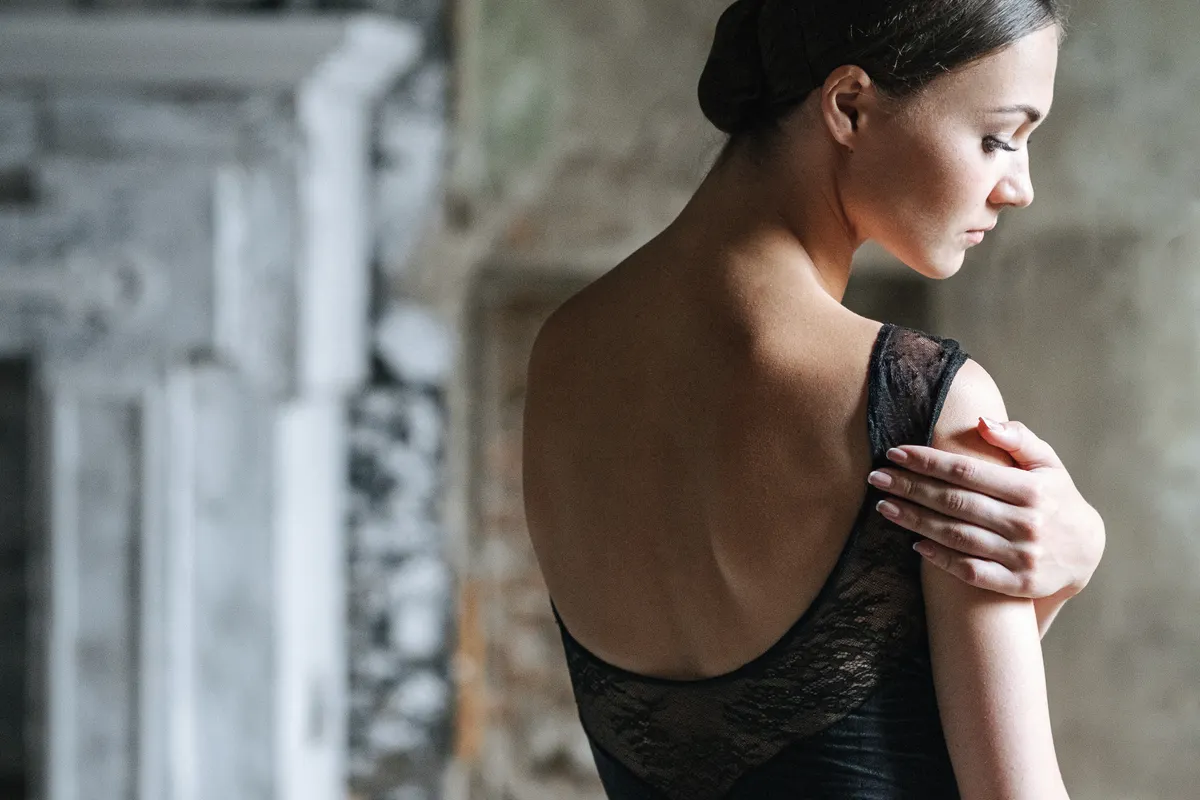
The hair is doing more work than anything on the face. A ballet bun is a strong, specific silhouette, and it changes how a plain outfit reads faster than any garment will.
The classic bun
Centre parted, brushed flat, gathered at the crown or just above the nape, twisted and pinned. Real dancers use a bun net and a lot of pins. For the fashion version, damp hair, a little gel through the front and a strong elastic will hold it. Leaving the parting sharp is the point, so resist the urge to soften it with face-framing pieces.
The low chignon with a ribbon
A looser knot at the nape with a length of satin ribbon tied around the base, tails left short. This is the version that works for an evening or an office, and it is the one point where balletcore borrows something decorative from coquette without changing register.
The satin headband
A wide padded satin headband in pink, black or cream, worn with hair down or half up. It signals the aesthetic in about a second, costs very little, and needs no styling skill whatsoever. Fine hair suits a narrow band better than the wide padded kind, which tends to slide.
The makeup: flushed and mostly bare
Skin left fairly natural with a light base, cream blush high on the cheeks, brushed-up brows, a coat of mascara and a tinted balm. No contour, no sharp liner, no heavy setting powder. The reference is a face after a class rather than a face made up for a night out, and it takes about four minutes.
lightbulb
A severe centre-parted bun suits some faces and exposes others, and you will not know which until you try it. NeonSnap's AI Hair Change tool lets you see a slicked bun, a low chignon and a headband on your own photo before you commit to pulling all your hair back in public.
How Do You Wear Balletcore Without Looking Like You Are in Costume?
One dance-coded piece per outfit. Everything else plain or structured. That is the whole rule, and it is the difference between the version of this that gets worn to work and the version that gets a stranger asking if you teach classes.
A wrap cardigan with straight-leg jeans and flats. A bodysuit under a blazer with tailored trousers. Leg warmers over slim jeans with a plain jumper. A sheer black skirt over leggings with an oversized knit. Any one of those reads as balletcore to anyone who knows the reference and as a perfectly ordinary outfit to anyone who does not, which is exactly where you want to be.
The combination that goes wrong is the literal one. Leotard, tulle skirt, leg warmers, tights and flats, all at once, is not an outfit, it is a costume for a class you are not attending. If a look starts drifting that way, the fastest fixes are denim, tailoring or a heavy coat. Anything with structure to it will pull the outfit back.
Age is not a barrier here either, and balletcore ages better than most of its neighbours because so much of it is knitwear and tailoring. Skip the tulle, take the wrap cardigan, the flats, the cream tights and the low chignon, and the reference stays legible without the outfit trying to make you look twenty two.
Should You Just Take a Ballet Class?
A number of people who came to this through the clothes have ended up at a barre, and adult beginner classes have grown enough that studios have had to add them. Bustle reported that adult beginner classes at Pacific Northwest Ballet School in Seattle now run to around fifty people. Studios elsewhere describe classes that used to draw four or five people now drawing fifteen.
If you are curious, a beginner class needs nothing you would have to buy for the aesthetic anyway. Leggings and a fitted top are fine, socks will do for the first session, and soft ballet shoes cost about £15 from a dance shop when you decide to keep going. Nobody will care that you cannot do any of it. Adult beginner classes are, by a wide margin, the least judgemental rooms in fitness.
It is also the fastest way to find out which parts of this wardrobe you like. One class will tell you whether the layers are a pleasure or a nuisance.
If you are still working out whether this is your direction at all, our guide on how to find your aesthetic covers narrowing it down properly rather than buying into whatever your feed served you this week.
Frequently Asked Questions
What is the balletcore aesthetic?
Balletcore is a style built from what dancers wear to rehearse rather than perform. Wrap cardigans, leotards and bodysuits, leg warmers, tights, chiffon or tulle wrap skirts, soft flats, and hair pulled back into a bun with a ribbon or satin headband. The palette runs through ballet pink, cream, grey marl and black. It reads as disciplined and slightly plain, because the clothes it borrows from were built to be worked in.
What is the difference between balletcore and coquette?
Balletcore comes from the rehearsal room and coquette comes from the stage. Balletcore is knitwear, leotards, leg warmers and grey marl, and its point of reference is a two hour class. Coquette is lace, satin bows, pearls and slip dresses, and its point of reference is costume. They share ballet pink, ribbon and flats, so the wardrobes overlap, but coquette is decorative where balletcore is functional.
What do you wear for balletcore?
The core pieces are a wrap cardigan, a fitted bodysuit or leotard, leg warmers, a chiffon or tulle wrap skirt worn over trousers or leggings, opaque tights, and ballet flats or Mary Janes. The other half of the wardrobe is deliberately plain: straight leg jeans, tailored trousers, a grey marl sweatshirt and a good coat. Those plain pieces are what keep the dance items from reading as fancy dress.
Is balletcore still in style in 2026?
Yes, though it has changed shape since the 2022 version. The tutu skirts have mostly gone and the wardrobe has settled into everyday pieces: wrap knits, flats in leather, patent, suede and mesh, and ribbon detail used sparingly. Ballet flats in particular have stopped being a seasonal trend and become a standard shoe, helped by newer versions with a proper sole and some arch support.
Are ballet flats bad for your feet?
Cheap ones can be. Podiatrists warn that a thin unlined sole with no arch support and nothing holding the foot in place puts strain on the arch, the heel and the Achilles tendon when you walk in it all day. The practical fixes are to rotate them with a supportive shoe rather than wearing them daily, add a slim insole, and choose a pair with a strap or elastic that stops the foot sliding forward.
Can I try balletcore outfits before buying anything?
Yes. NeonSnap's free AI tools put the look on your own photo. Try wrap cardigans, bodysuits and layered skirts with the Outfit Change tool, and try a centre parted bun or a low chignon with the Hair Change tool, which is the fastest way to find out whether the hair suits you before you buy the clothes.
Try balletcore on your own photo, free.
See the wrap knits, the layered skirts and the slicked bun on you before you spend anything on them.
Try AI Outfit Change free